

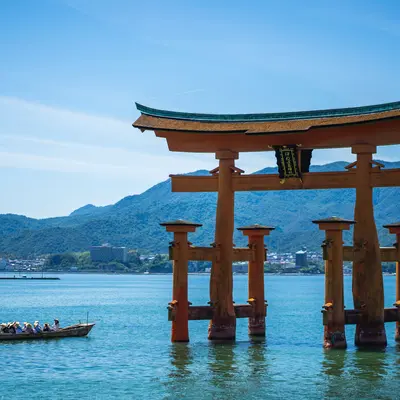
El Gran Torii de la isla de Miyajima
Foto de Robin Noguier en Unsplash.jpg
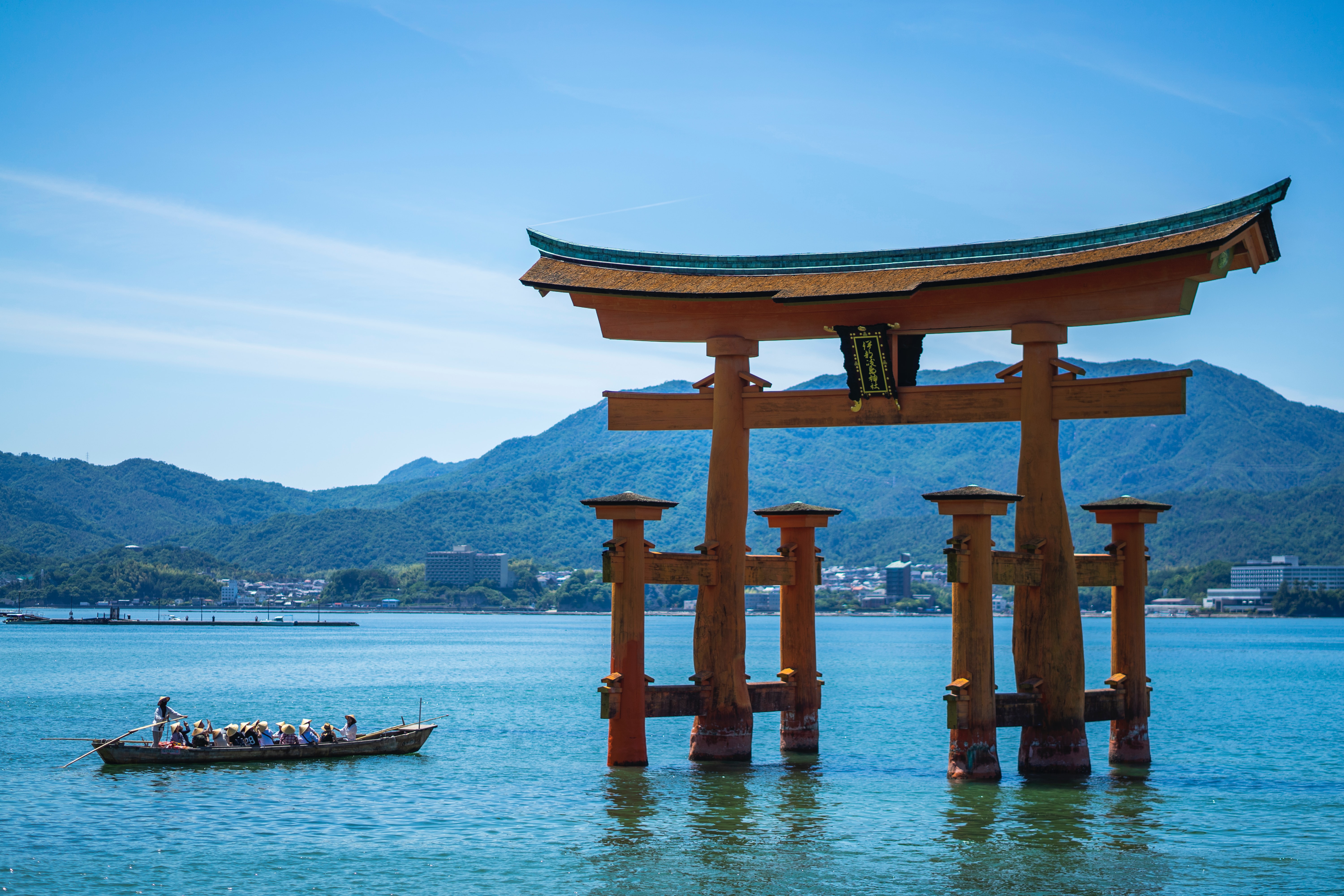
El Gran Torii de la isla de Miyajima
Foto de Robin Noguier en Unsplash.jpg
JR WEST ALL AREA Pass
¿Por qué este pase?
● Acceso completo a la zona de Kansai (Kioto, Osaka y Nara), Hiroshima(Miya-jima), Fukuoka y Kanazawa con viajes ilimitados en las líneas Shinkansen y Thunderbird durante 7 días consecutivos.
● Cómodo viaje de ida y vuelta a Kioto, Osaka desde el aeropuerto internacional de Kansai (KIX) con el Haruka Airport Express (con decoración de Hello Kitty).
● Este pase cubre las líneas Sanyo Shinkansen (Shin-Osaka⇔Hakata), Hokuriku Shinkansen y Thunderbird (Kanazawa, Toyama⇔Kyoto Osaka) y el ferry de Miyajima (Miyajimaguchi⇔Miyajima).
(Este pase también se llama JR West all area pass)
Trenes en los que se puede viajar con el JR West All Area Pass

Puntos destacados del JR WEST ALL AREA Pass
¿Cómo utilizar el JR WEST ALL AREA Pass?
Entrega
- Bono electrónico (código QR) en un archivo PDF enviado por correo electrónico (revise su correo no deseado).
- Se recibe en un plazo de 5 días laborables. Si necesita el pase antes, póngase en contacto con nosotros.
- No se enviarán cartas por correo postal.
Intercambio
Para subir a los trenes, tiene que canjear su vale electrónico por el pase físico.
El canje puede realizarse en uno de los mostradores que se indican a continuación.
Durante el canje:
- tiene que presentar su pasaporte.
- tiene que elegir una fecha de activación. Puede ser una fecha posterior a la del canje. Los días se contarán desde la fecha de activación hasta el último día 23:59.
- puede solicitar la reserva de plazas en los trenes que tenga previsto utilizar.
Su vale electrónico tiene que canjearse en un plazo de 3 meses (90 días) después de la compra.
Validez
El pase es válido durante 7 días consecutivos con acceso ilimitado a la mayoría de los trenes operados por JR que circulan por la zona, incluido el Shinkansen.
El Shinkansen entre Kioto y Shin-Osaka no se puede utilizar con este pase.
Las siguientes líneas de tren son accesibles con el JR West All Area Pass:
Cancelación
- La cancelación y el reembolso son posibles si el vale no se ha utilizado y la cancelación se solicita a Japan Experience en un plazo de 80 días a partir de la fecha de emisión del vale.
- La fecha de emisión está impresa en su vale.
- Se retendrá un 15 % en concepto de gastos de cancelación de su reembolso.
- Le reembolsaremos el importe en un plazo de 3 semanas a partir de su solicitud de cancelación.
Elegibilidad
✅ Pueden utilizar este pase los turistas o viajeros de negocios que tengan el estatus de entrada de Visitante Temporal.
❌ Los titulares de pasaportes japoneses y los extranjeros residentes en Japón no pueden utilizar este pase.
See the best of Japan all with one pass!
It can be hard to define what characterizes West Japan, largely because it encompasses almost every aspect of Japanese culture. From the sea to the mountains, endless adventures await. Rich nature to bustling cities and contemporary landmarks to centuries-old structures. 7 days worth of travel gives ample time for pass holders to immerse themselves in the charm of every region.
The Hokuriku Region
The prefectures of Toyama, Ishikawa, and Fukui in Hokuriku take great pride in the blessings of the Japan Sea. Commanding waters on one side offer an abundance of resources, including seafood that is known across the world. The peaks of the Japanese Alps, on the other hand, graze the sky above and support an environment that is completely different from that of the deep water. The prefectures' towns and cities are home to a flourishing arts and crafts culture that is rooted in both history and unrestricted expression through the use of materials like glass and ceramics.


The Kansai Region
The Kansai area has a history and heritage unlike any other, having been at the epicenter of Japan's political and cultural life for over a millennium thanks to the presence of the historic imperial capitals of Kyoto and Nara. Visitors to this diverse region can experience the urban thrill of places like Osaka and Kobe as well as the discovery of numerous World Heritage Sites.
Kyoto, located in the Kansai area, is well-known for its assortment of Buddhist temples, Shinto shrines, gardens, royal palaces, and traditional tea shops. With about 2.7 million residents, Osaka is the third-largest city in Japan, behind Tokyo and Yokohama. It is renowned for both its modern culinary culture and its thriving nightlife. A multicultural port city tucked away between the sea and the mountains, Kobe is well-known for its Chinatown area, sake breweries, and its well-known wagyu, Kobe Beef.


Hiroshima and Chugoku
The city of Hiroshima was rebuilt with grace and determination following the devastating atomic bombing in 1945. To learn about the significance of this occasion and the city's commitment to fostering peace, visit the Peace Memorial Park and Peace Memorial Museum. Admire Itsukushima Shrine's magnificent red torii gate, which seems to float during high tide. Coming from Osaka, it's obligatory to try Hiroshima-style okonomiyaki, differing from its Osaka counterpart with a more layered construction. Deviate a bit from Hiroshima and head to Izumo City in Shimane, home to one of the most prominent Shinto shrines in all of Japan: Izumo-taisha.


Yamaguchi and Fukuoka
The prefectures of Yamaguchi and Fukuoka meet at the junction of Honshu and Kyushu. Yamaguchi is often cited as "the Kyoto of the West," home to many historic shrines and temples. Also notable in Yamaguchi is the prominence of natural landmarks and the collection of caves, such as Akiyoshido that goes 100m underground.
Fukuoka's Hakata area is also notable for its religious sites, with some of the most prominent shrines in all of Japan calling this district home. Also famous in Fukuoka is its food culture, with its open-air "yatai" food stalls and world-famous Hakata tonkotsu ramen.


