


Nikko 4 days
Tobu railways
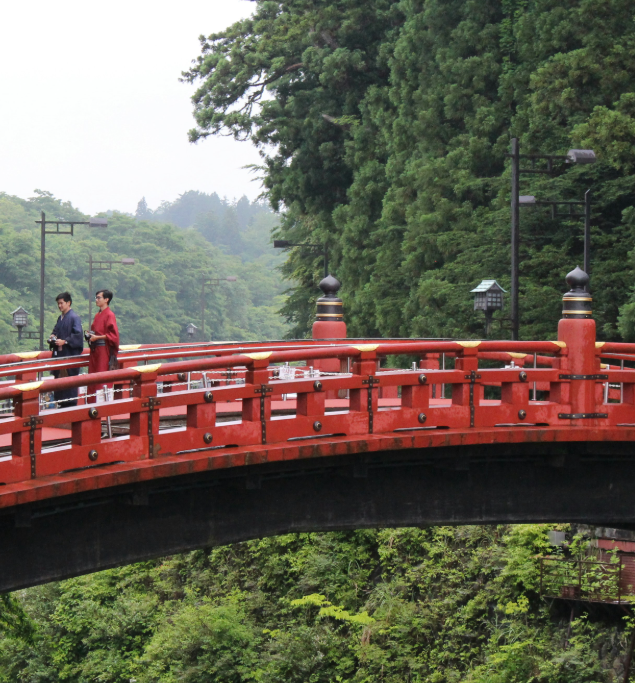
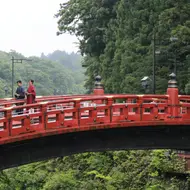
© Deepavali Gaind, Unsplash
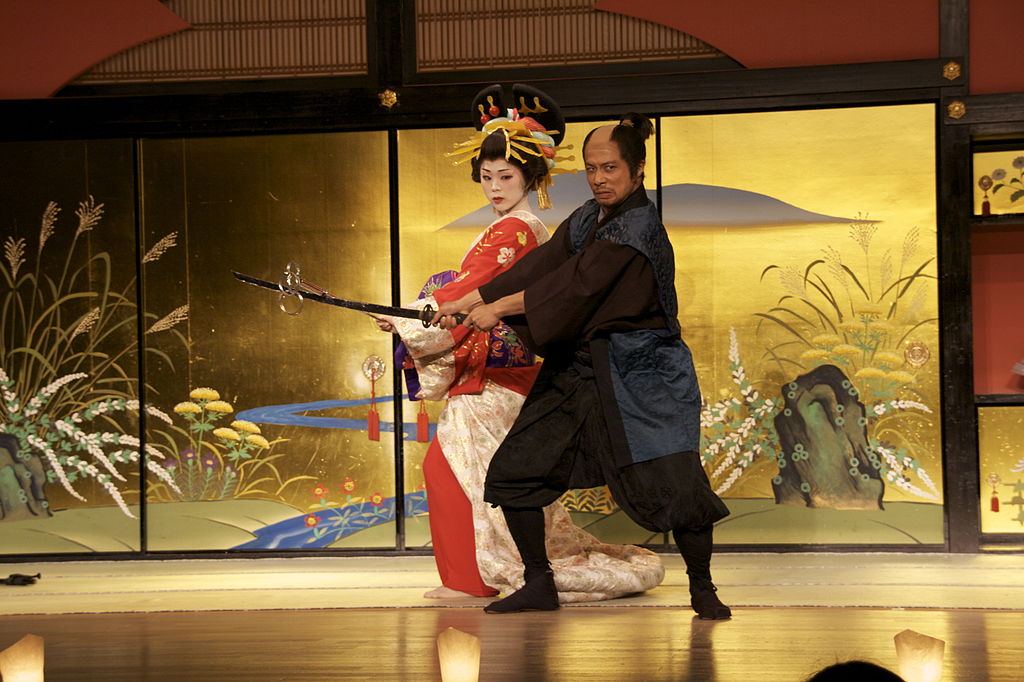
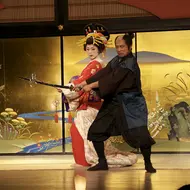
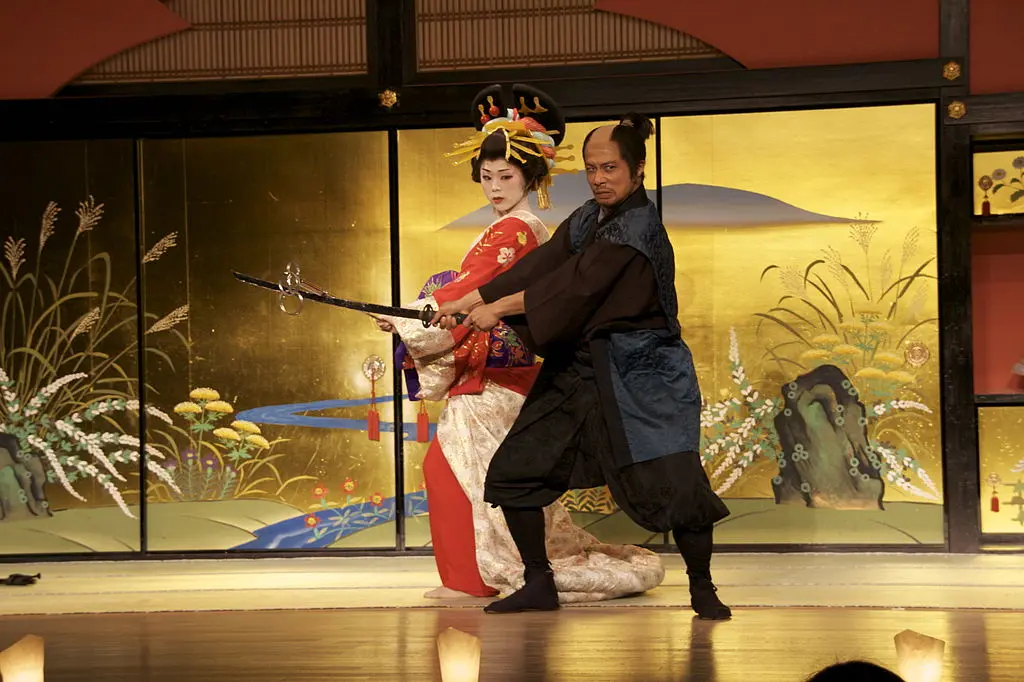
Spectacle au Nikko Edo Wonderland
@Wikimedia
Nikko - Kinugawa Onsen
@Japan Experience
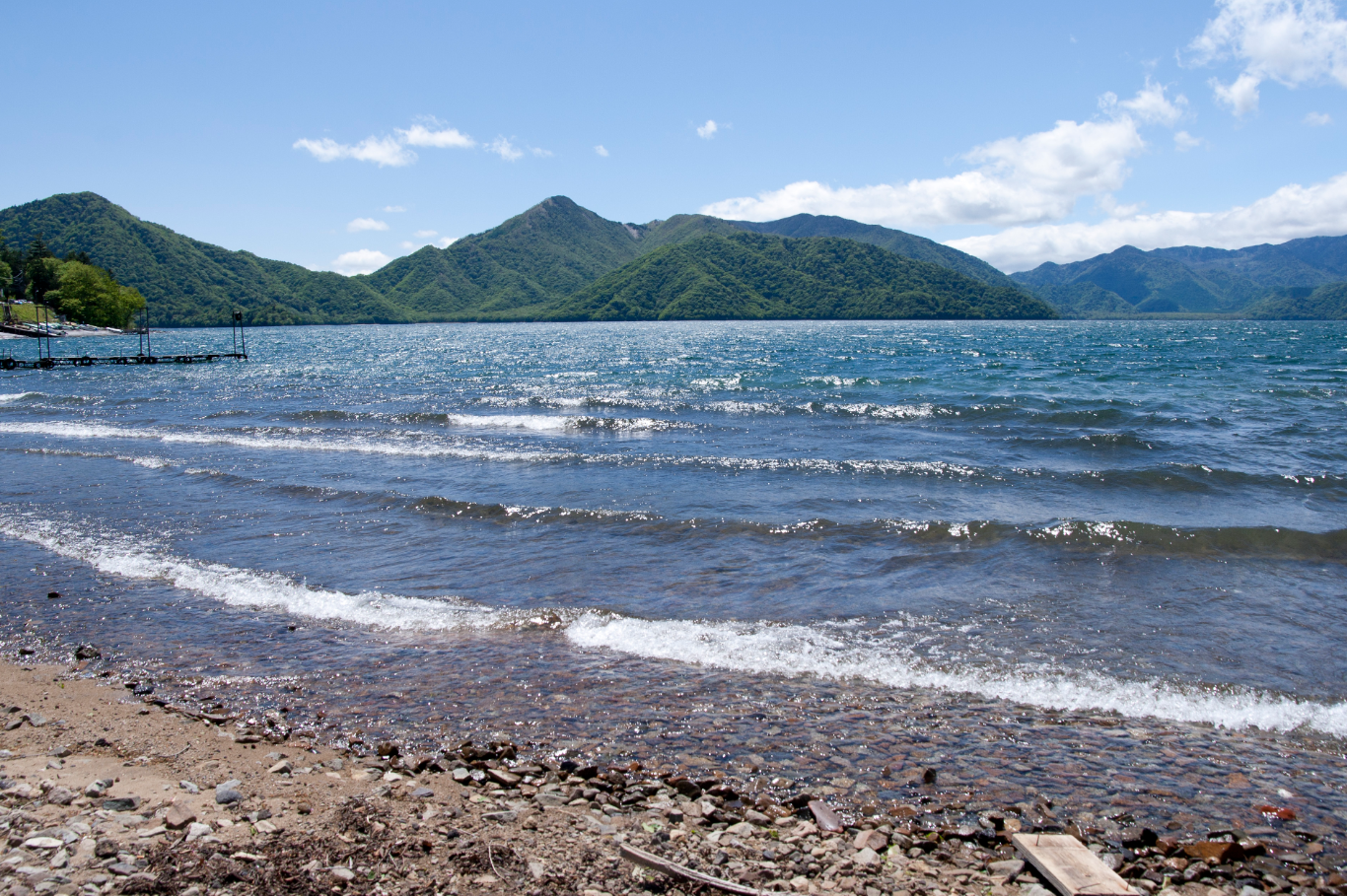
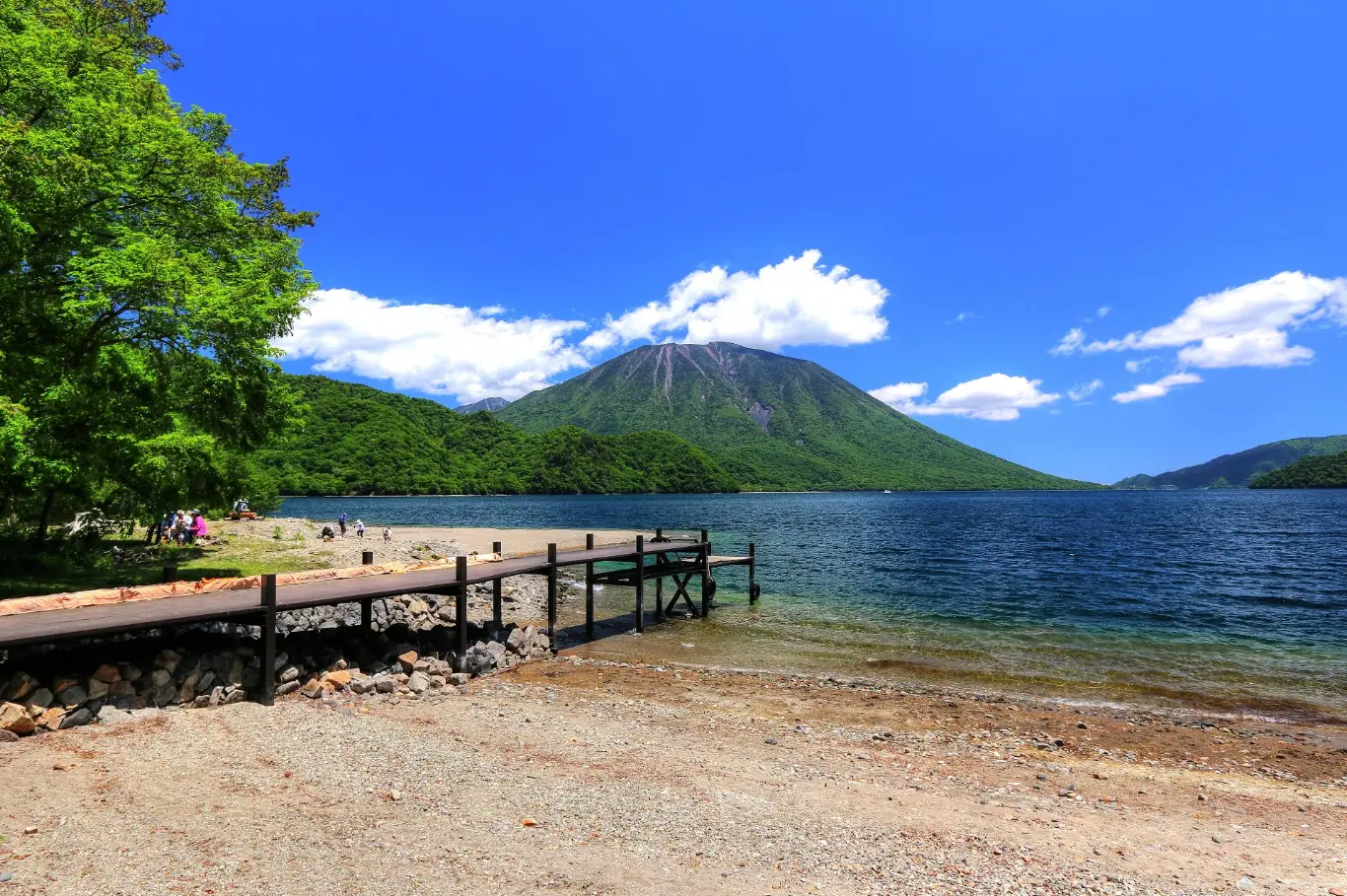
Lac Chuzenji, Nikko
© Σ64, wikimedias
Nikko All Area Pass 4 Days
Pourquoi choisir ce pass ?
Reliant Tokyo à la région de Nikko, ce pass offre une solution simple et structurée pour visiter l’une des destinations culturelles les plus accessibles au nord de la capitale.
Avec ce pass, vous bénéficiez de :
- Un seul pass incluant l’aller-retour entre Tokyo (Asakusa) et la région de Nikko
- Des trajets illimités sur les lignes Tobu Railway dans la zone de validité
- Un accès aux bus locaux Tobu, facilitant l’accès à des sites comme Nikkō Tōshō-gū et Lake Chuzenji
- La possibilité d’organiser votre voyage sans acheter plusieurs billets
- Une solution pratique pour explorer la région sur plusieurs jours consécutifs avec un seul titre de transport
Qu’est-ce qui est inclus dans le Nikko All Area Pass ?



Qu’est-ce qui n’est pas inclus dans le Nikko All Area Pass ?

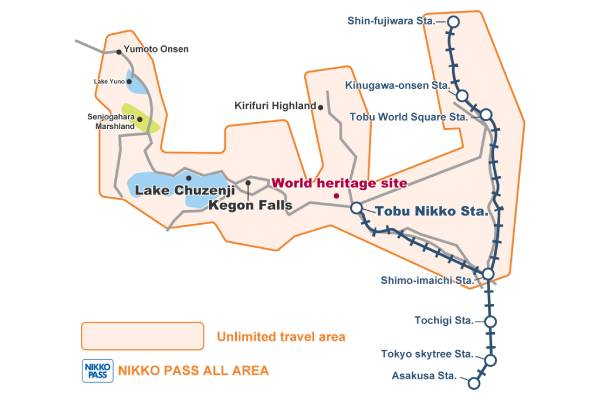
Dans quelles zones le Nikko All Area Pass est-il valable ?

Nikko 4 days
Tobu railways
Pourquoi choisir Japan Experience?




Où peut-on aller avec le Nikko All Area Pass ?

Comment utiliser votre Nikko All Area Pass ?

Qui peut utiliser le Nikko All Area Pass ?

Comment puis-je modifier ou annuler mon Nikko All Area Pass ?
Top 5 expériences à vivre avec le Nikko All Area Pass
Flickr xiquinhosilva
© くろふね, wikimedias
Sara Winter
@Japan Experience
@Wikimedia
Un aperçu approfondi de l’histoire de Nikko
Située dans les montagnes au nord de Tokyo, Nikko est un haut lieu de spiritualité depuis plus de mille ans. Ses origines remontent au VIIIe siècle, lorsque le moine bouddhiste Shōdō Shōnin y a fondé les premiers temples, introduisant une forme de culte mêlant traditions bouddhistes et shintoïstes.
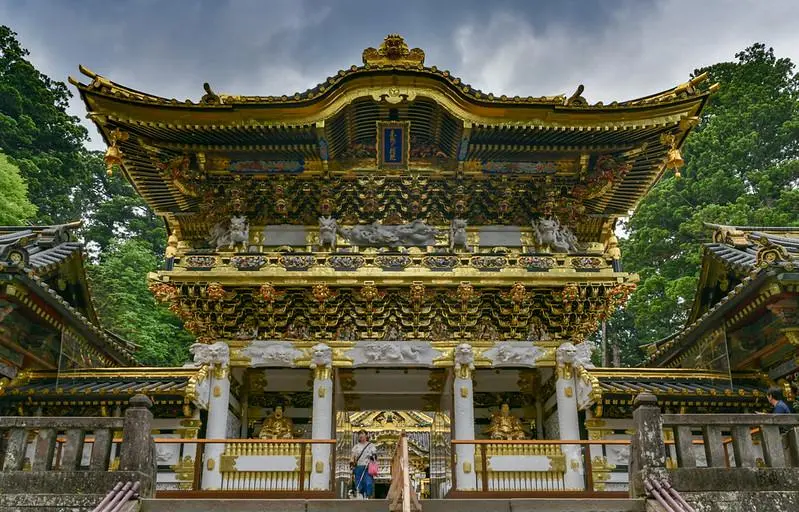
Nikko a acquis une renommée nationale au début du XVIIe siècle grâce à la construction du Nikkō Tōshō-gū, le mausolée de Tokugawa Ieyasu, fondateur du shogunat Tokugawa. Contrairement aux édifices religieux plus austères, ce sanctuaire est célèbre pour la richesse de ses décorations, ses détails dorés à la feuille d'or et ses sculptures sur bois complexes, reflétant la puissance et l'héritage de l'ère Tokugawa.
Pendant l'époque d'Edo, Nikko est devenue une importante destination de pèlerinage, attirant aussi bien l'élite dirigeante que le peuple. Le célèbre proverbe « Ne dites jamais “kekkō” (qui signifie “magnifique” ou “suffisant”) avant d'avoir vu Nikko » illustre la réputation séculaire de la région pour sa beauté et sa richesse culturelle.
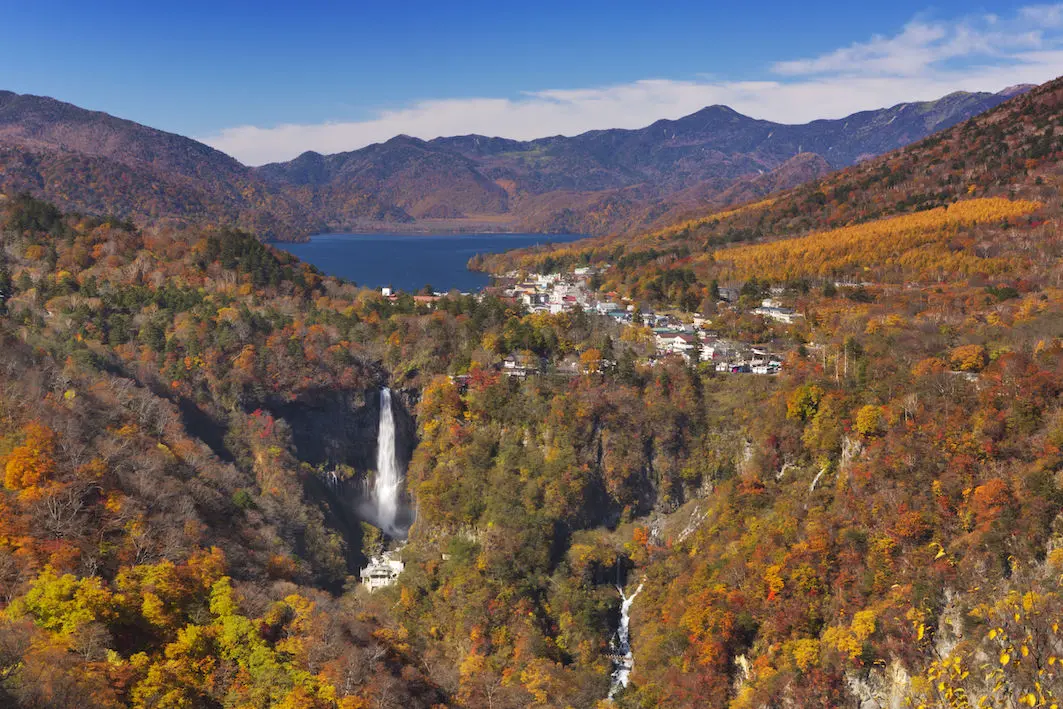
Aujourd'hui, Nikko reste une destination unique où coexistent histoire, religion et nature. Entourée de forêts denses, de montagnes et de rivières, la région offre une occasion rare de découvrir à la fois le patrimoine spirituel du Japon et ses paysages naturels en un même endroit.

