
Scoprite i quartieri storici di Gion e Higashiyama a Kyoto
- Pubblicato il : 18/06/2026
- Per : Clément
- Youtube

Hanamikoji, il cuore del quartiere di Gion
hans-johnson https://www.flickr.com/photos/hansjohnson/16933005684/in/photolist-rNj5DS-sEk3Lv

Distretto di Higashiyama
J.R.

Artigianato nel quartiere Gion di Kyoto.
DR

Il festival Gion Matsuri di Kyoto, una celebrazione popolare dall'863!
JNTO
Nel cuore dell'antica capitale imperiale, i quartieri di Gion e Higashiyama incarnano l'essenza stessa del Giappone tradizionale. Dai vicoli acciottolati fiancheggiati da machiya agli antichi templi, passando per le eleganti geishe, questi quartieri invitano a un viaggio nel tempo, nell’atmosfera del Giappone tradizionale. Alla scoperta con Japan Experience.
Gion, il cuore tradizionale di Kyoto
Situato tra il santuario Yasaka e il fiume Kamo, Gion è il quartiere più apprezzato dai visitatori di Kyoto. Famoso per le sue geishe, offre uno scorcio unico sulla cultura tradizionale giapponese. Nelle strade principali di Hanamikoji o Shinbashi-dori si trovano le machiya ( case tradizionali in legno) che oggi ospitano ristoranti, sale da tè e negozi di vario genere.
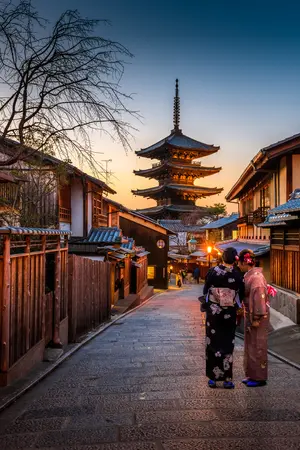
Al tramonto, un’atmosfera unica, illuminata dalla luce delle lanterne, avvolge il quartiere. Con un po’ di fortuna, è proprio in questo momento della giornata che si possono scorgere le geisha e le loro apprendiste, le maiko, mentre si dirigono con eleganza verso le ochaya ( case da tè).

Maiko a Hanamikoji
@Wikimedia Commons
Higashiyama, un viaggio nel tempo
Gion si trova nel quartiere di Higashiyama, che si estende ai piedi delle colline a est di Kyoto. Questo quartiere è famoso per le sue antiche strade ben conservate, che immergono i visitatori nel Giappone tradizionale. I suoi vicoli acciottolati e tortuosi conducono i visitatori attraverso un labirinto di negozi tradizionali, sale da tè e antichi templi.
Il gioiello di Higashiyama è senza dubbio Kiyomizu-dera, un tempio buddista dichiarato patrimonio mondiale dell’UNESCO. Il quartiere è ricco di templi e santuari da visitare, tra cui numerosi templi zen.
Scoprite Gion di notte con una guida esperta!

Via Hanamikoji
Contrariamente a quanto potrebbe far pensare la sua atmosfera tradizionale,la via Hanamikoji è relativamente recente. La sua creazione risale all'inizio dell'era Meiji (1868-1912).
Prima di allora,il quartiere delle geisha, ohanamachi, si trovava lungola via Shijodori, che attraversava Kyoto da est a ovest. Fu trasferito nella sua sede attuale in seguito a un periodo di disordini politici causato dalla Rivoluzione Meiji.
La via Hanamikoji si distingue per la sua architettura tradizionale. Lemachiya si allineano lungo la strada lastricata, preservando così l’intimità dei prestigiosi locali che vi si nascondono.
Al calar della notte,la via si illumina di lanterne, creandoun’atmosfera unicache attira numerosi visitatori.
Si distinguono due parti, separate dal viale centrale Shijo. La parte sud concentra l’essenza dell’atmosfera tradizionale, mentre la parte nord è più orientata verso un’atmosfera contemporanea.

Illuminazione notturna a Hanamikoji
@Christian Kaden su Flickr, CC BY-NC-ND 2.0
Il santuario Yasaka
Nel cuore di Gion si trova il Santuario Yasaka, uno dei luoghi di culto più importanti e antichi di Kyoto.
Fondato oltre 1.300 anni fa, è dedicato a diverse divinità associate alla protezione dalle malattie e dalle catastrofi naturali
Il santuario è particolarmente noto per essere il fulcro del Gion Matsuri, uno dei festival più celebri del Giappone, che si tiene ogni anno nel mese di luglio.
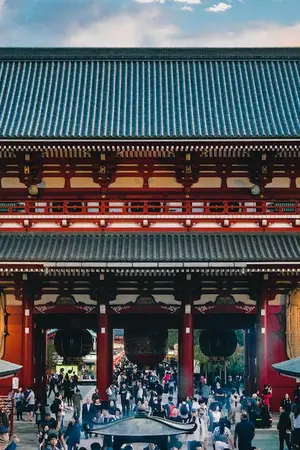
Con il suo portone rosso, ilpadiglione principale ele centinaia di lanterne che si accendono al calar della notte, lo Yasaka-jinja è il simbolo del quartiere.
Proprio alle sue spalle si trova il parco Maruyama, una delle mete imperdibili per ammirare i ciri in fiore a Kyoto.

Il santuario Yasaka di notte
@Dana Andreea Gheorghe su Flickr
Scoprite Kyoto con i tour di Japan Experience!

Visitare Gion
Tra i luoghi spirituali spicca anche il tempio Kennin-ji, considerato il più antico tempio zen di Kyoto, che affascina per i suoi giardini e per il drago dipinto sul soffitto. A pochi minuti a piedi, il Kōdai-ji offre alcuni i giardini più belli zen della città, oltre a un boschetto di bambù.
Gli appassionati di storia apprezzeranno una visita al Ryozen Kannon, un tempio e memoriale dedicato alle vittime della Seconda Guerra Mondiale. Dominato da un’imponente statua di Kannon (figura buddista legata alla compassione) alta 24 metri, il tempio offre un’atmosfera tranquilla e propizia alla riflessione.
Per i visitatori alla ricerca di attività culturali, il quartiere ospita il Kanzekaikan, uno dei teatri Nô più importanti del Paese. Infine, Gion è famosa anche per i suoi ristoranti di cucina tradizionalekaiseki, servita in locali gastronomici di alto livello.
Altre informazioni sul Giappone? Iscrivetevi alla la nostra newsletter e seguiteci su Instagram !
Create il viaggio dei tuoi sogni con i nostri esperti!
Che sia guidato o in autonomia, i nostri itinerari si adattano al tuo stile di viaggio. Lascia che la nostra agenzia e gli esperti locali si occupino della logistica del tuo viaggio in Giappone per un'esperienza indimenticabile e senza stress.


