
Top 10 Summer Excursions to do in Japan
- Published on : 12/05/2026
- by : Clement
- Youtube

Lake Chuzenji
@colovin86 on Flickr, CC BY-NC-ND 2.0
How would you like to enjoy a cool Japanese summer, far from the scorching asphalt of the big cities? Japan Experience has put together a top 10 list of the best destinations within easy reach where you can get away from it all!
1. Hokkaido
With a cooler climate than the rest of Japan, Hokkaido is one of Japan's most popular summer destinations. This northern island seduces visitors with its wide open spaces, mild temperatures and varied natural landscapes, offering a welcome alternative to the archipelago's typical humid heat. Between mountains, lakes, forests and coastlines, there are many possibilities for excursions.
On the west side of the island, the port city of Otaru offers a tranquil atmosphere, with canal walks, historic buildings and sea breezes. The town is particularly well known for its covered markets, where you can sample fish and seafood.
Hokkaido also boasts a number of lakes that are popular throughout the country, such as Toya and Shikotsu, in the southern part of the island, which are easily accessible from Sapporo. Surrounded by mountains and forests, they offer pleasant settings for hiking, kayaking and cruising.
In the wooded areas, the coolness of the trails and the proximity of the water make walking particularly enjoyable on summer days.
Just south of Lake Shikotsu, the town of Shiraoi is home to museums of Ainu culture as well as a reconstructed traditional village. A great opportunity to discover these indigenous people!

Lake Toya
@center999 on Unsplash
2. Nikko
Located in the mountains of Tochigi Prefecture, the region of Nikkō is a particularly popular destination in summer, thanks to its many natural areas. While the city is best known for its World Heritage sanctuaries and temples, its surroundings offer a cooler setting, with forests, lakes and waterfalls.
Around Lake Chûzenji, located at the foot of the mountains, the atmosphere becomes calmer and more temperate. Not far away, Kegon Falls, one of Japan's most famous waterfalls, offers a refreshing view from the vantage point below, surrounded by dense vegetation.
The region also boasts a number of hiking trails. For example, you can cross the ancient Senjôgahara swamp on an accessible trail that alternates between forests, rivers and clearings. The trail leads to the spa with its Yunoko Lake and Yudaki waterfall.


3. Okutama
A 2-hour train ride from Tokyo, Okutama offers a marked contrast to the capital. This mountainous area is particularly popular in summer for its cooler climate and numerous rivers, making it ideal for a day trip or weekend getaway.
The area around Lake Okutama is ideal for summer walks, with many trails running alongside the water or through the surrounding mountains. The region's clear, fast-flowing rivers also attract visitors who come to enjoy activities such as kayaking, rafting or simply taking a break at the water's edge, in an atmosphere that's much more breathable than that of Tokyo's city center in midsummer.
Okutama is also famous for its hiking trails, which are accessible to all levels. Itineraries such as those on Mount Mitake allow you to walk in the shade of the trees, past waterfalls, the suspension bridge and small shrines nestled in the mountains.

Tama River at Okutama
@Guilhem Vellut on Flickr, CC BY-NC-ND 2.0
4. Mount Takao
To the west of Tokyo, Mount Takao offers one of the most accessible nature excursions from the capital. It attracts many visitors in summer thanks to its wooded environment and moderate altitude, offering a cooler atmosphere than Tokyo's urban jungle.
The mountain is criss-crossed by a number of hiking trails, ranging from developed paths to quieter routes deep in the forest. Visitors can walk in the shade of the cedars, skirt small streams or take a break near the waterfall of the Yakuô-in temple, a spiritual site on the mountain's slopes. A cable car also provides easy access to the heights.
For the more courageous, it's possible to see Mount Fuji on a clear day from the summit.
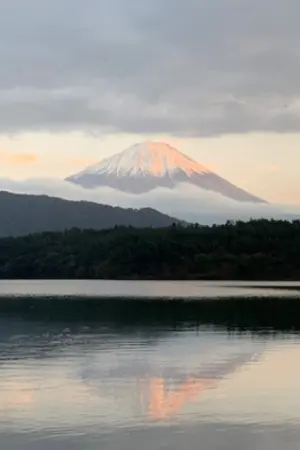
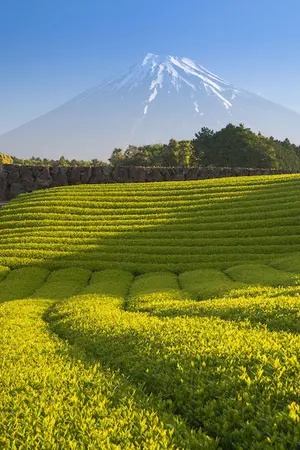
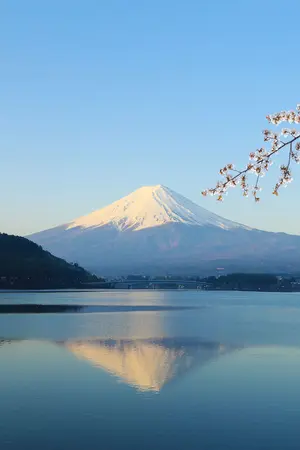
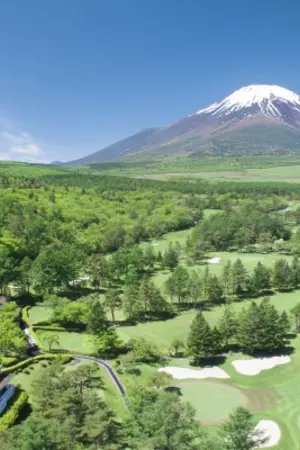
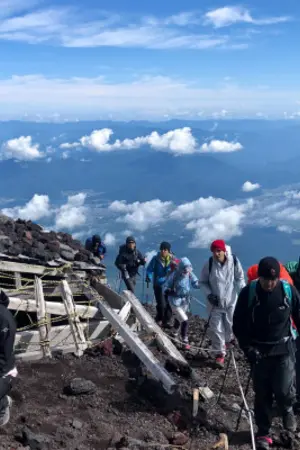
5. Mount Fuji's 5-lake region
North of Mount Fuji, in the Yamanashi Prefecture's five lakes region, is a popular summer destination around the volcano. Thanks to its higher altitude and the presence of lakes and forests, the atmosphere here is often cooler than in the big cities, providing an ideal setting for outdoor activities.
Visitors can enjoy a wide range of summer activities, including hiking, biking, camping, kayaking and waterside walks overlooking Fuji.
Particularly refreshing places to visit in summer include the Aokigahara Forest or the volcanic caves of Narusawa and Fugaku, where temperatures remain low even on the hottest days.
Between lakes, forest trails and panoramas of Mount Fuji, the region combines nature, relaxation and outdoor activities in a pleasant summer environment.

Chureito pagoda
Flick/ reggiepen
Discover the 5 lakes region with Japan Experience!


6. Shimoda
Located at the southern tip of the Izu Peninsula, Shizuoka Prefecture, the town of Shimoda is a popular destination for its coastline and relaxed atmosphere. It attracts many visitors who come to enjoy the beaches, coastal scenery and water sports.
The area boasts several beaches renowned for their clear sand, such as Shirahama and Tatadohama, ideal for swimming, surfing and seaside walks.
The peninsula's jagged coastline also offers numerous viewpoints, accessible via trails along cliffs with subtropical vegetation.
Beyond the coastline, Shimoda also retains a historical dimension linked to the opening up of Japan in the 19th century, with a number of old buildings and historic harbours.

Shimoda Beach
@Jack French on Flick, CC BY-NC-ND 2.0
7. Japanese Alps: the Nakasendo Trail
Crossing the mountain valleys of central Japan, Nakasendō is an ancient road linking Kyoto to Tokyo during the Edo period.
Today, preserved sections in the Japanese Alps make it a pleasant mountain landscape in summer, far from the heat of the big cities.
The best-known walking section, between Magome and Tsumago, passes through forest and small historic villages, all surrounded by mountains.
The relatively accessible trails offer a pleasant hike in the shade of the trees, punctuated by waterfalls, streams and views of the surrounding valleys. The altitude and dense vegetation make for a cooler atmosphere, even in the height of summer.
Along the way, old inns and traditional houses have been preserved, giving the region a timeless feel.

Nakasendo
@Big Ben in Japan on Flickr, CC BY-NC-ND 2.0
8. Kamikochi
Still in the Japanese Alps, a little further north in Nagano Prefecture, the Kamikōchi Valley is a popular mountain destination in summer. Nestled at an altitude of over 1,500 meters, it offers much more pleasant temperatures than the big cities, as well as an unspoiled natural environment.
With the Azusa River running through it, the valley is renowned for its mix of forests, swamps and rugged peaks. Several footpaths make it easy to walk along the river, notably around the Kappa-bashi bridge, with numerous views of the surrounding mountains. The atmosphere remains calm and refreshing, even in the hottest summer months.
9. Lake Biwa
Located in Shiga Prefecture, Lake Biwa is Japan's largest lake and a popular summer destination for its open landscapes and calmer atmosphere than that of the neighboring big cities of Kansai.
Easily accessible from Kyoto or Osaka, the region offers a wide range of excursions between water, mountains and peaceful villages.
To the northwest of the lake, the Makino area is pleasant in summer. The region is famous for its beaches tree-lined roads and more rural landscapes.
Cycling, swimming or taking a break at the water's edge creates a relaxing atmosphere with a more breathable climate than in urban centers.

Lake Biwa
@Masaharu Inagaki on Pexels
A little further afield, at the northern tip of the lake, the Okubiwako region offers a wilder environment of small creeks, forests and viewpoints. Difficult to reach by public transport, this region is ideal for a road trip into the heart of the mountains.
Get your driver's license translated with Japan Experience!

10. The village of Takao
Located in the mountains northwest of Kyoto, Takao Village offers a very different atmosphere from that of the city's historic center. Crossed by a river and surrounded by forests, this small valley is particularly popular in summer for its cool, natural setting, accessible in less than an hour from the city center.
The region is particularly famous for its temples set deep in the mountains, such as Jingo-ji, accessible via a tree-lined path and stone steps.
The paths linking Takao to neighboring villages allow you to walk along the Kiyotaki River through dense vegetation, in a calm, shady atmosphere that is pleasant in the warmer months.
In summer, kawadoko is practiced, with terraces set up directly above the river to enjoy the cool water during meals.

Kawadoko
@Wikimedia Commons
Discover Kyoto with Japan Experience!


Want more news on Japan and Japan travel? Be sure to subscribe to our newsletter and follow us on Instagram!
Create the trip of your dreams with our experts!
Whether guided or independent, our itineraries adapt to your travel style. Let our agency and local experts handle the logistics of your trip to Japan for an unforgettable and stress-free experience.


