


JR East Area
@JRMAP

@stevendiaz
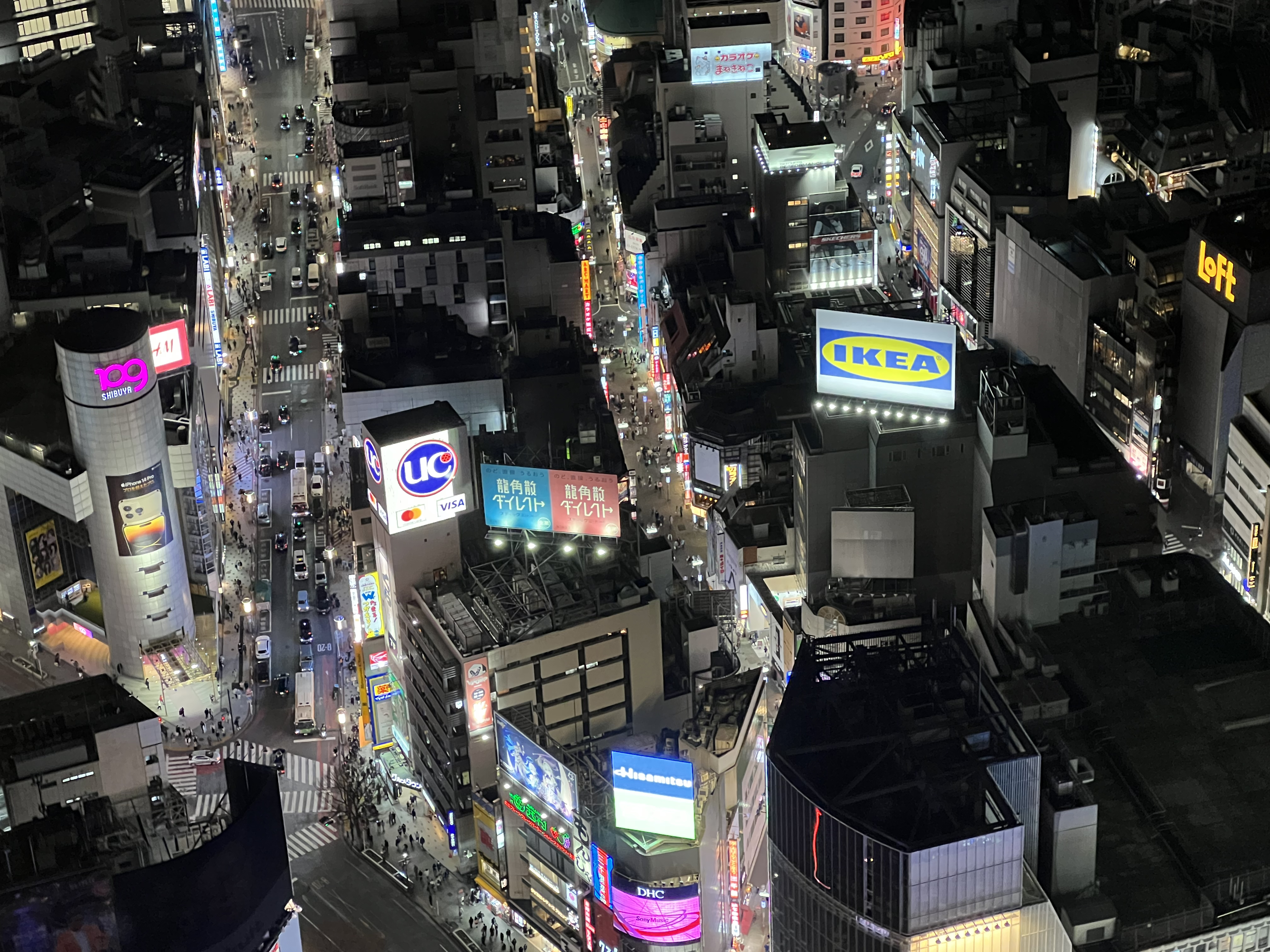
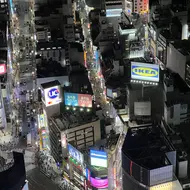
Shibuya
@GGONZENBACH
@JRpost
@sy
@wikipedia
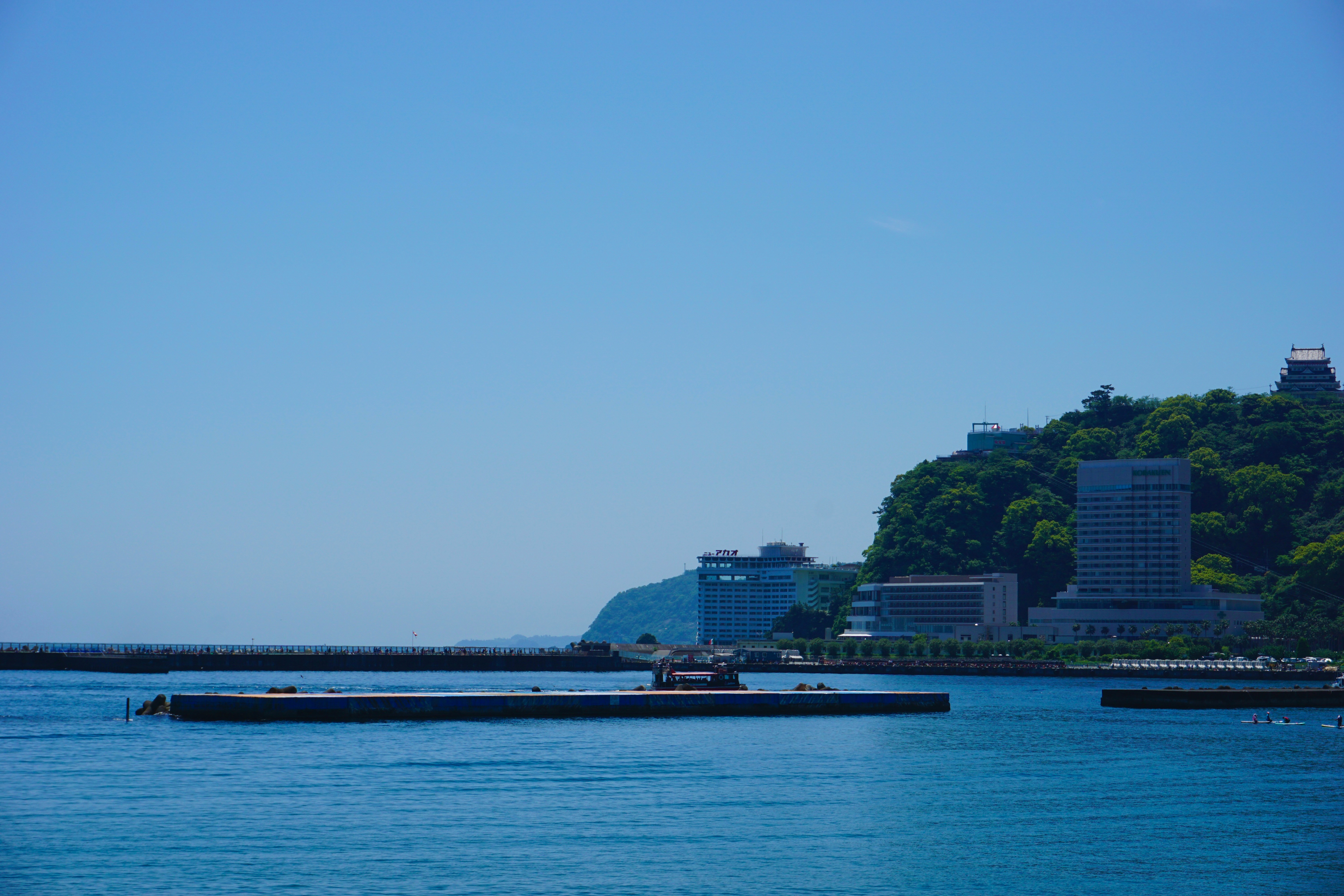
Atami
@Syria-Polidoro / Unplash
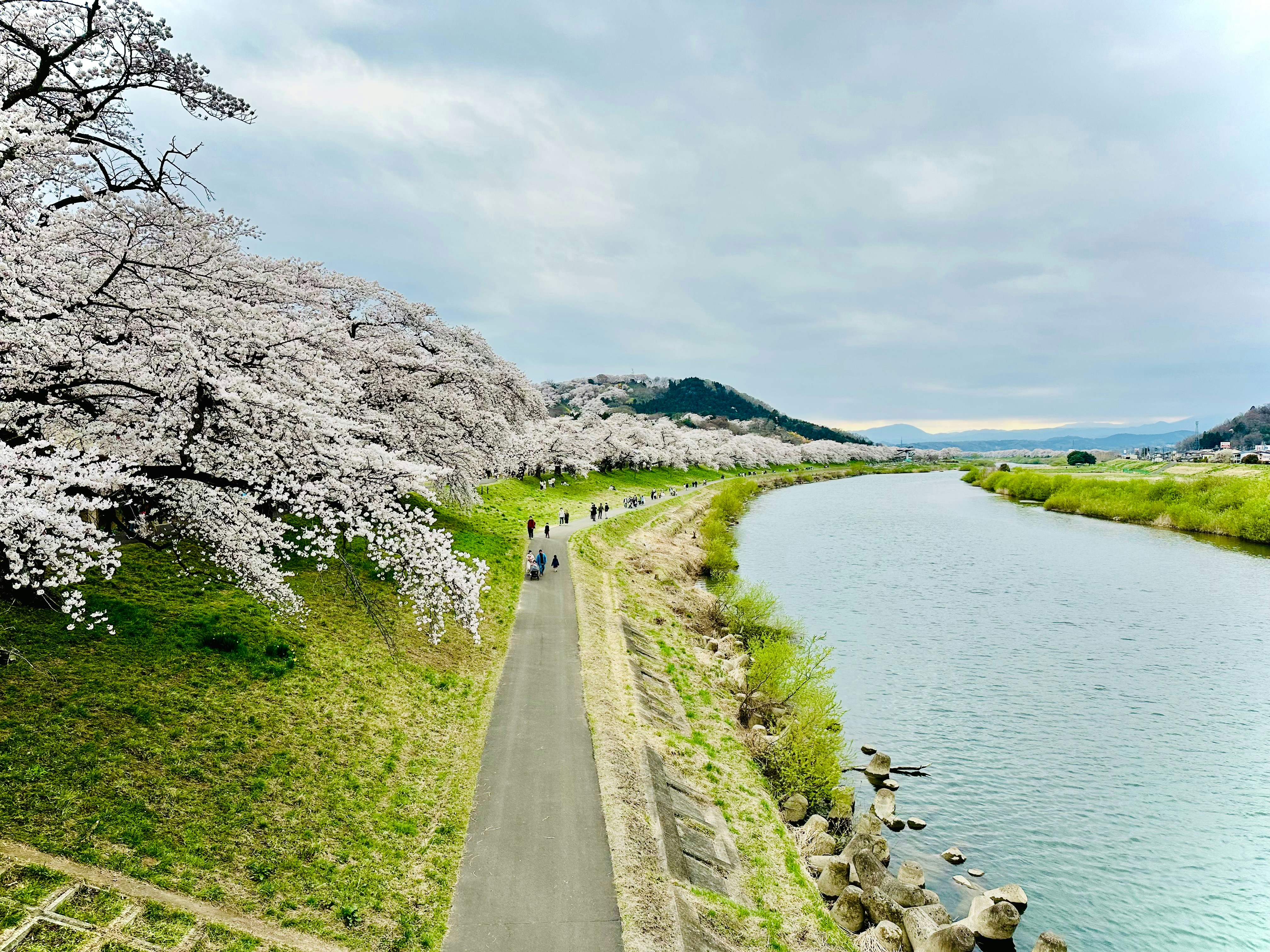
@unplash
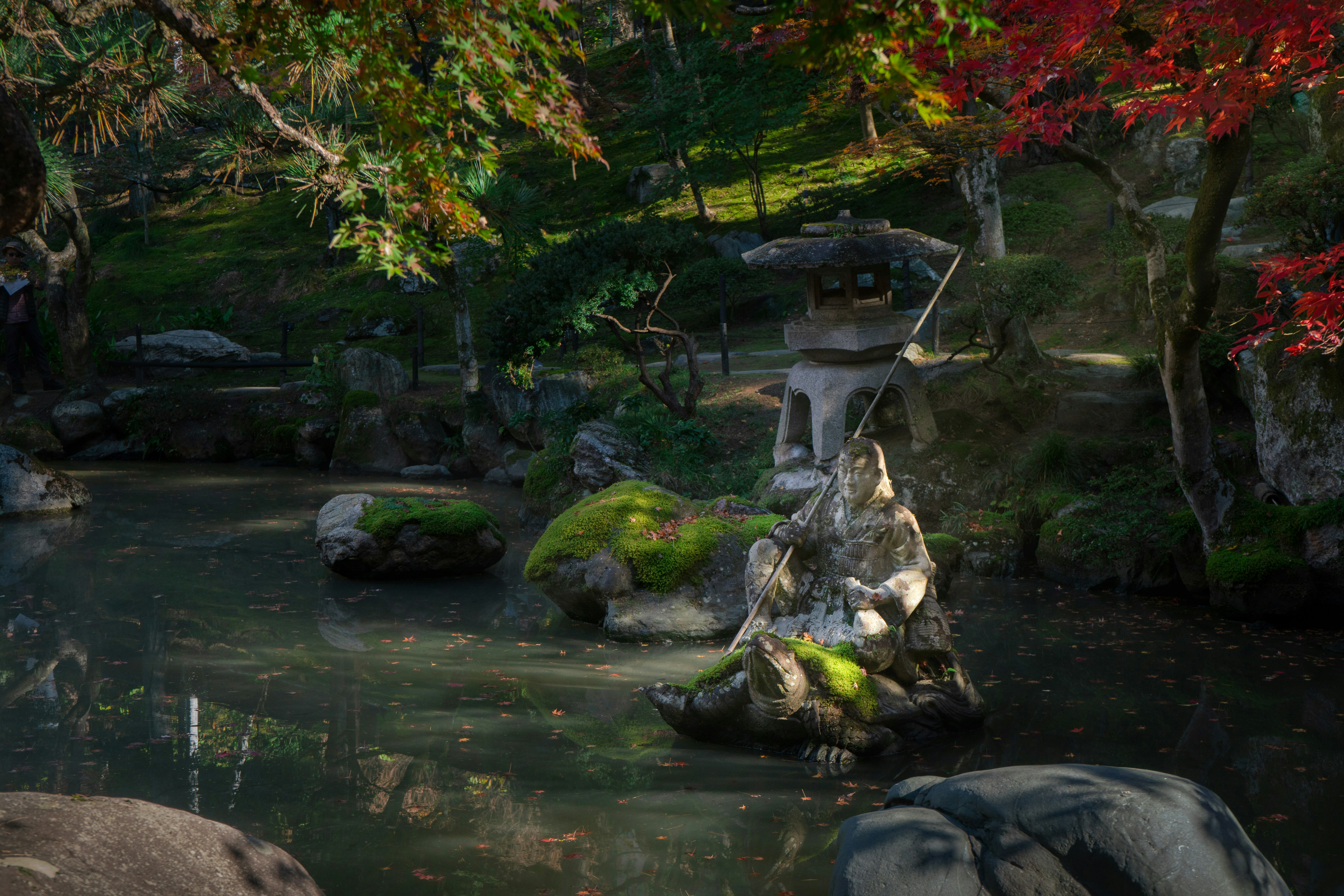
Tasaki
@ lucas-calloch / Unplash
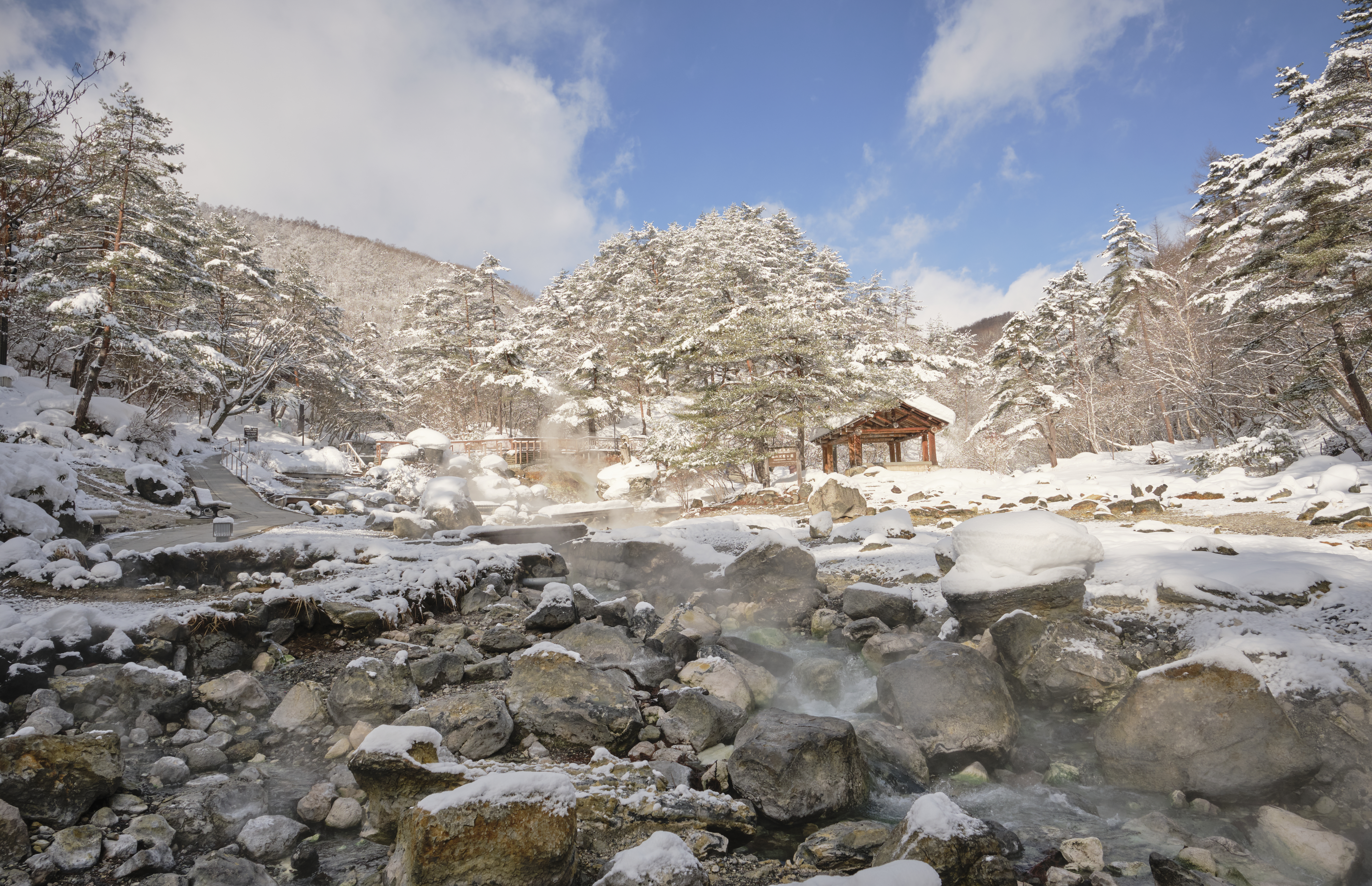
Kusatsu Onsen hot river
©Kusatsu Onsen
@Stevenchua
@Mukaiyama
JR EAST Pass
- Economic and simple
- Unlimited travel


Stretching from the Tokyo metropolitan area through the Tohoku region, eastern Japan connects the capital to the northern reaches of Honshu.
From the rugged coastlines of Tohoku to the mountains of Nagano and the cultural centers of Sendai and Aomori, travel seamlessly across eastern Japan with the JR EAST PASS, using JR East’s rail network, including most Shinkansen lines.
For 5 or 10 consecutive days, explore multiple prefectures with great flexibility and experience the diversity that defines eastern Japan.
Why choose the JR EAST PASS?
From the Tokyo area to the Tohoku region, eastern Japan stretches across coastlines, mountains and historic cities, offering a wide variety of landscapes and regional identities.
With the JR EAST PASS, you benefit from:
- One single rail pass covering an extensive JR East network
- Access to selected Shinkansen lines and regional trains
- The flexibility to travel across multiple prefectures without buying separate tickets
- The freedom to adjust your itinerary while exploring destinations such as Tohoku, Nagano, and Niigata
- A practical and efficient way to move through one of Japan’s most diverse regions using a single, integrated transport system
What is included in your JR East Pass?


*for a full list of included trains, refer to section "Where can I go..”
What is not included in your JR East Pass?
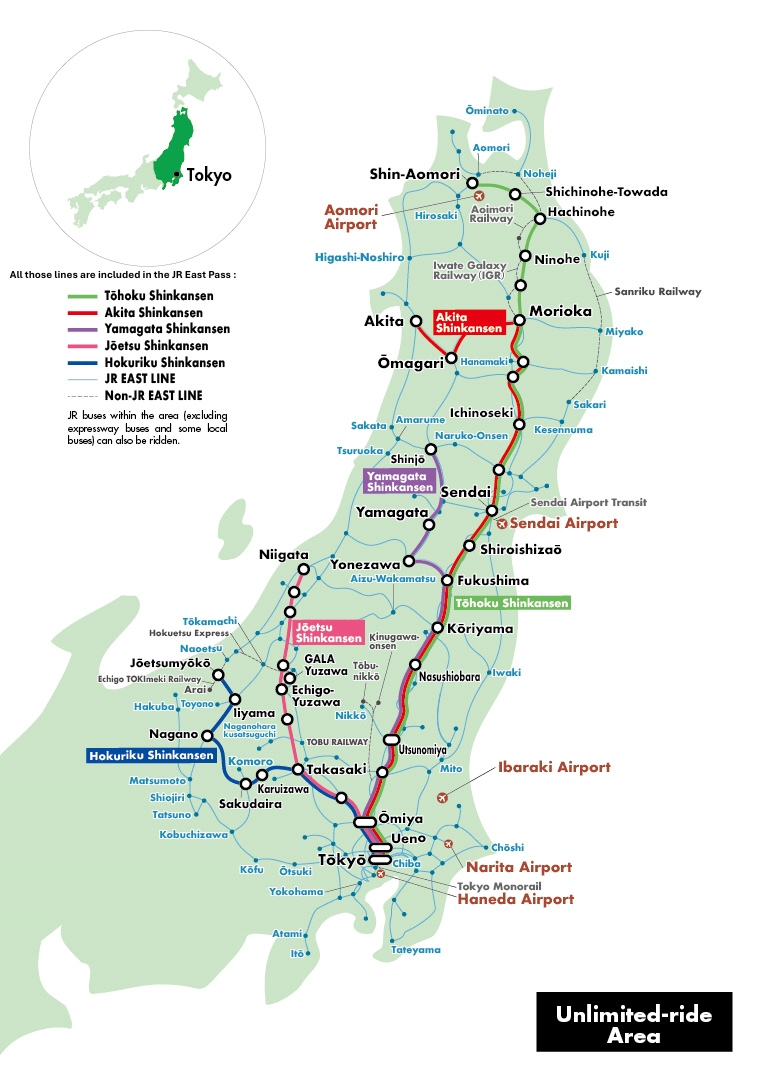
Coverage area for the JR EAST PASS

@JRMAP
Why choose Japan Experience?




Where can I go with the JR East Pass?

How to use your JR East Pass

Who can use the JR East Pass ?

✅ Foreign tourist
✅ Foreign resident in Japan
🚫Japanese passport holder

How do I modify or cancel my JR East Pass ?

Please contact us with your order number within one year of issuance. The cancellation fee is 15%. It can be waived in case of a new voucher purchase.
Modification of your usage date
To change the length of use of your JR East Pass or if you wish to buy another regional pass instead, please contact our Customer Support. They will help you to cancel your pass and to buy a new voucher. In the case of a new purchase, there is no cancellation fee.
Cancellation Conditions
If you wish to cancel within one year from the issue date, you will receive a refund with a cancellation fee of 15% for the unused voucher.
The voucher can only be refunded within one year of the issue date. A refund is NOT possible if we are contacted more than one year from the issue date.
Only a voucher, which has never been exchanged in Japan can be refunded. A refund is NOT accepted by Japan Experience for a redeemed ticket, even if not used to take a train. In exceptional cases, the JR East ticket office where you exchanged the voucher maybe able to grant a refund for a redeemed ticket.
TOP 10 Routes included in the JR East Pass
@matsushima / unplash
@stevenchua/unplash
@Wikimedia
@KenCheung/unplash
@Wikimedia
@DeniseMetz/unplash
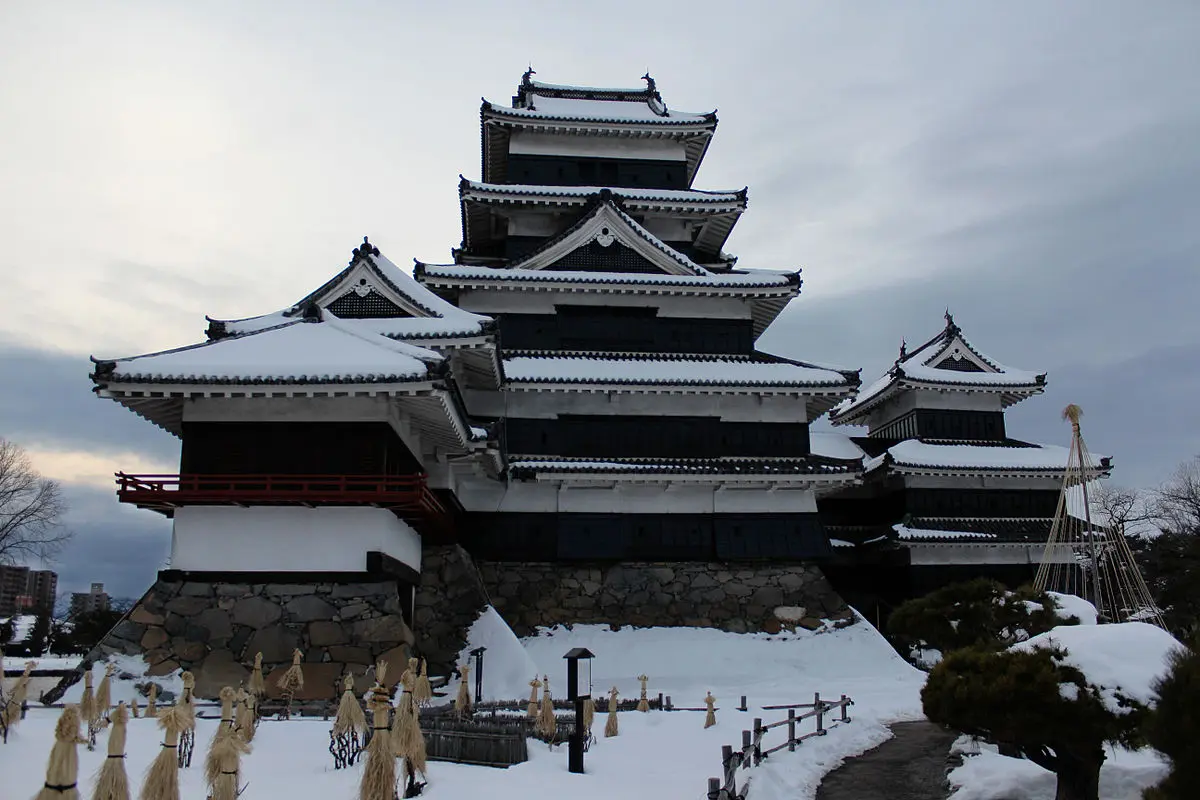
@Japanexperterna on Wikimedia, CC BY-SA 3.0
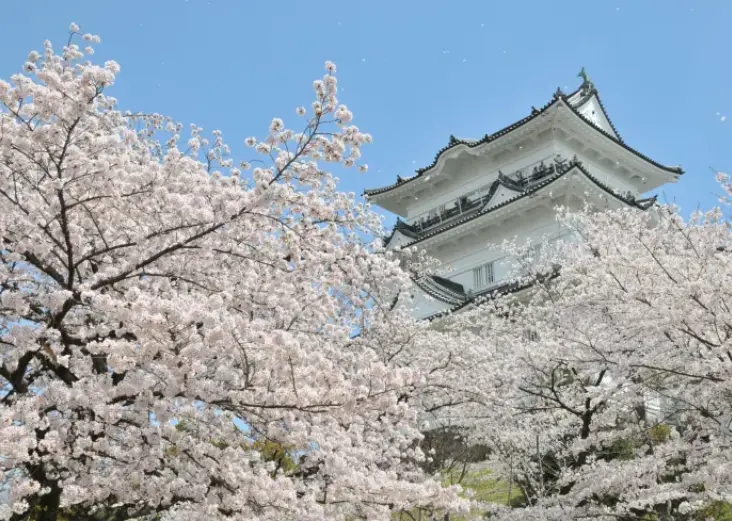
@JNTO
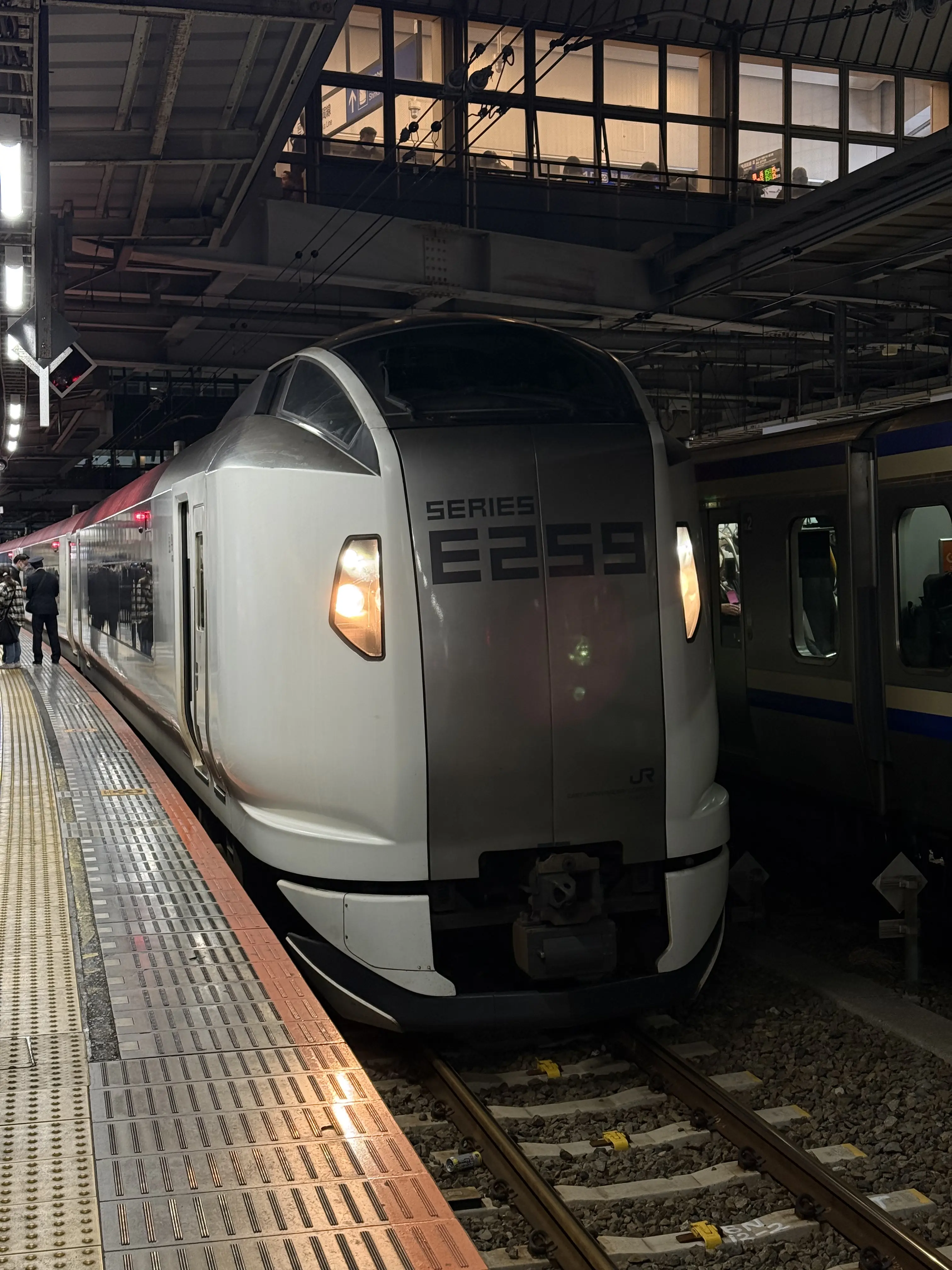
@GGONZENBACH
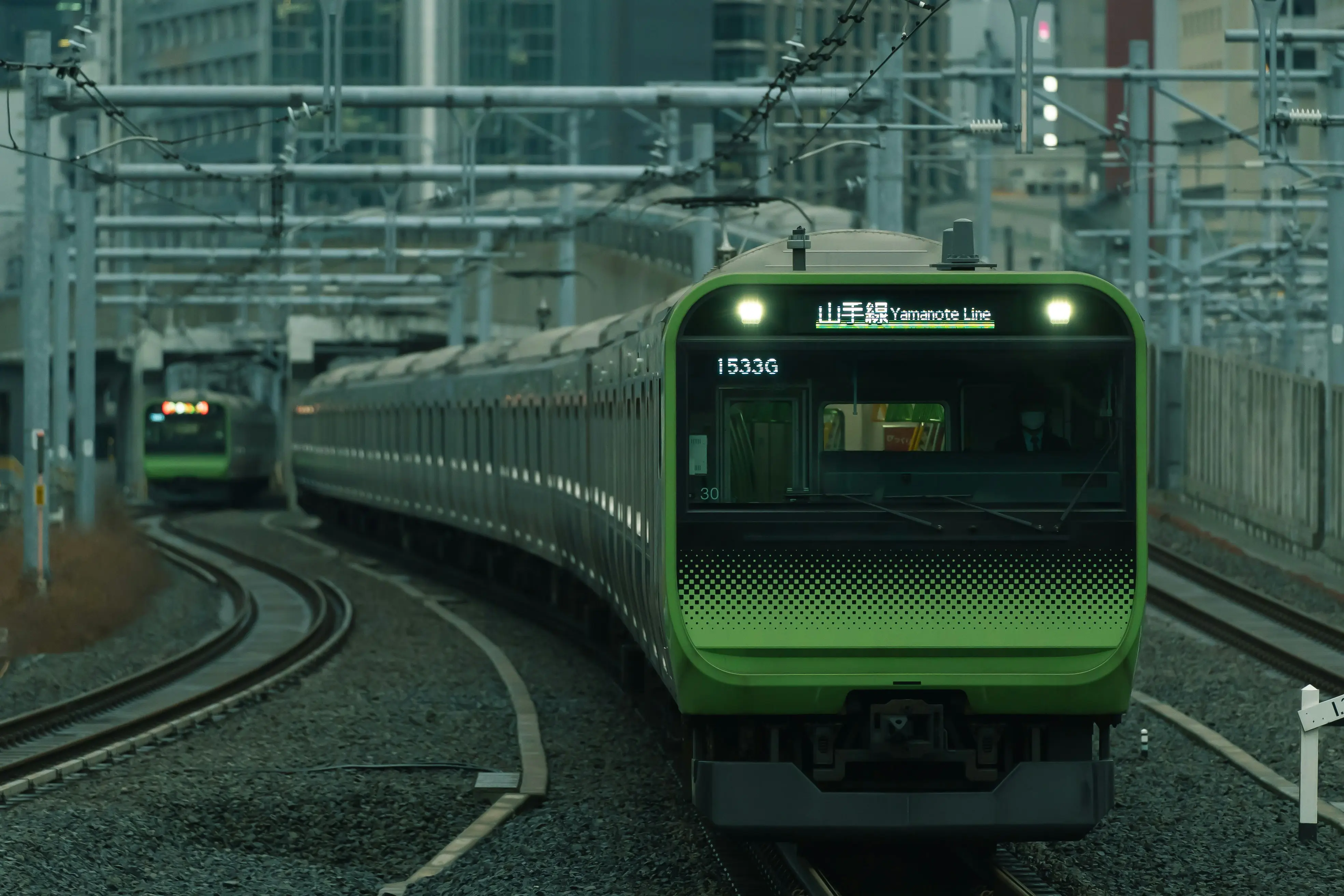
@Unsplash
Sendai – The Gateway to Tohoku
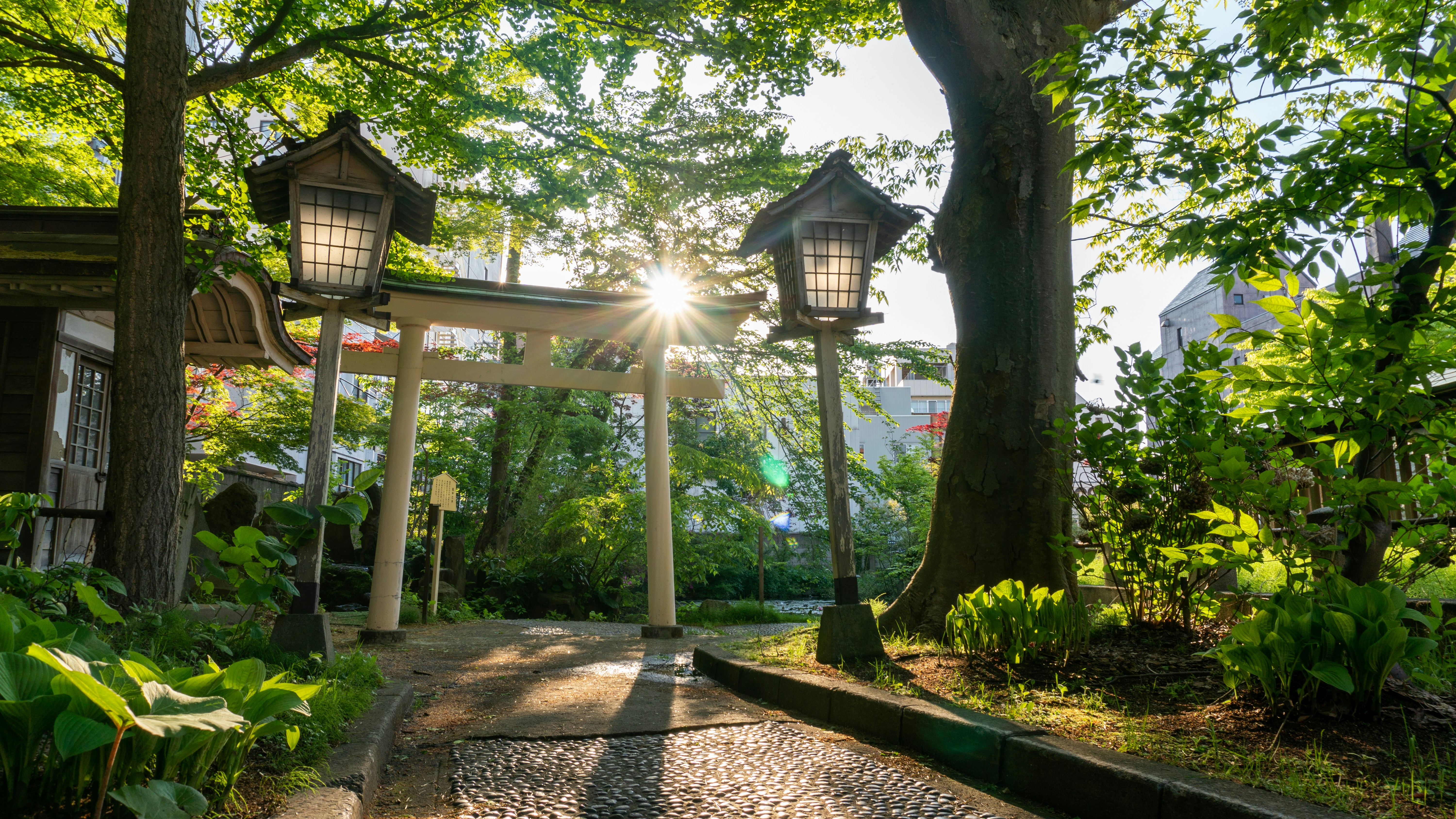
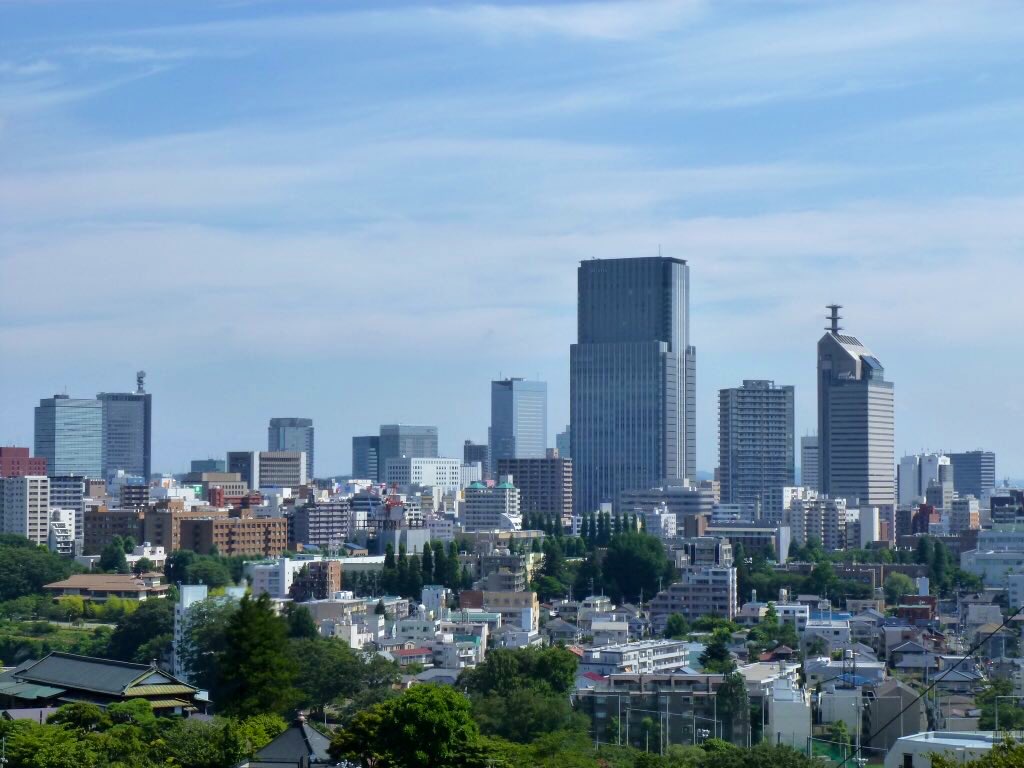
Located in Miyagi Prefecture, Sendai is the largest city in the Tohoku region and a key cultural center in northeastern Japan. Founded by the feudal lord Date Masamune in the early seventeenth century, the city preserves landmarks such as the ruins of Sendai Castle and the ornate Zuihoden Mausoleum. Known for its broad, tree-lined avenues, Sendai balances a lively urban atmosphere with access to nearby coastal areas and natural scenery. Connected to Tokyo by the Tohoku Shinkansen, it serves as a strategic starting point for exploring the wider region.

@hyun-kim
Niigata – Between the Sea of Japan and the Japanese Alps
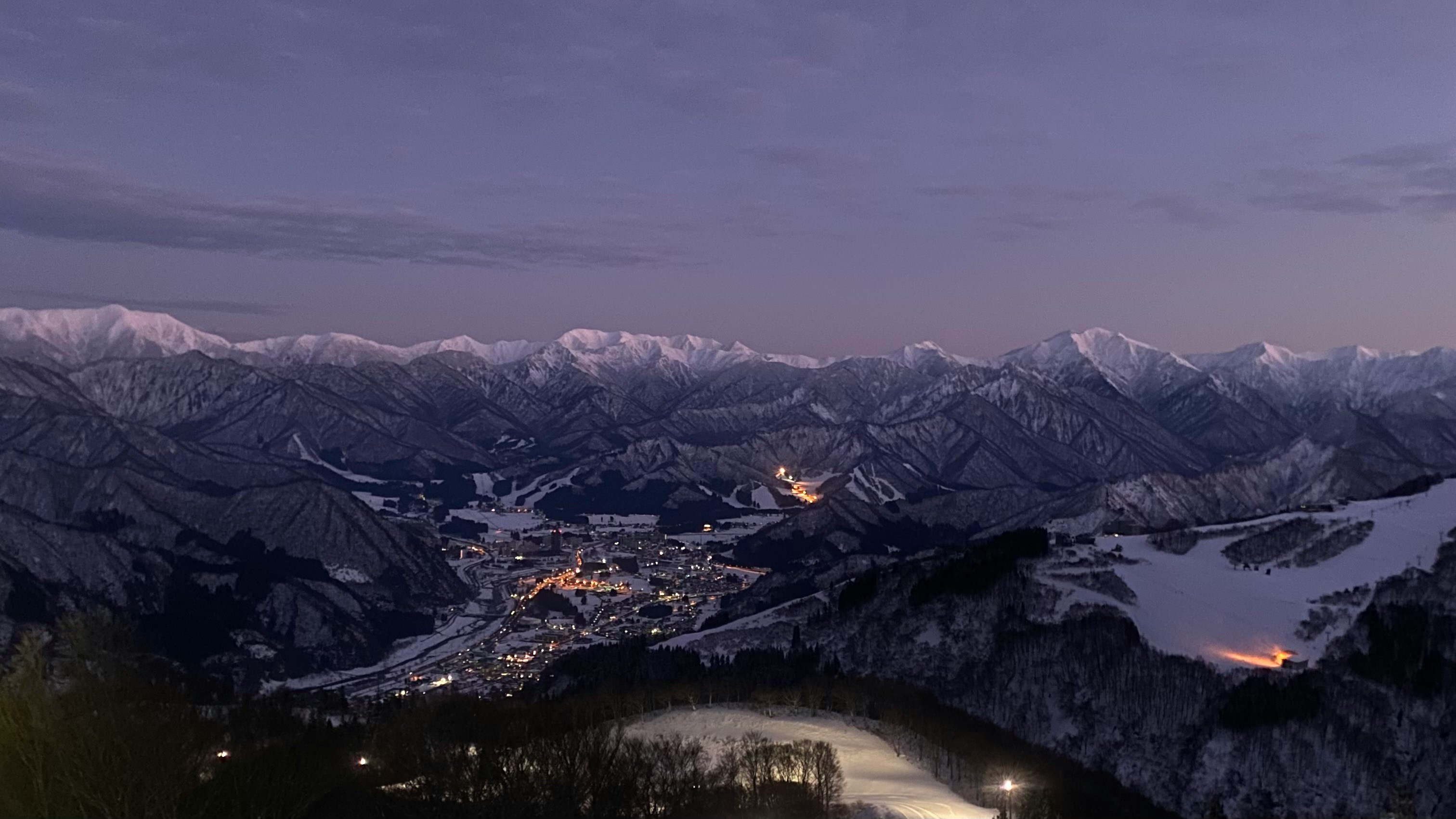
Niigata Prefecture stretches from the Sea of Japan to mountainous inland terrain linked to the Japanese Alps. The region is widely recognized for its rice production and sake brewing, supported by its snowy winters and pure water sources. Niigata City serves as a coastal hub, while inland areas provide access to alpine landscapes and hot spring towns. With direct Shinkansen access from Tokyo, Niigata combines maritime horizons with mountain environments within one prefecture.

@tokyo-kohaku
Aomori – The Wild Beauty of Northern Honshu
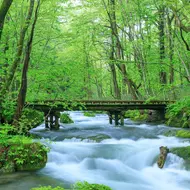
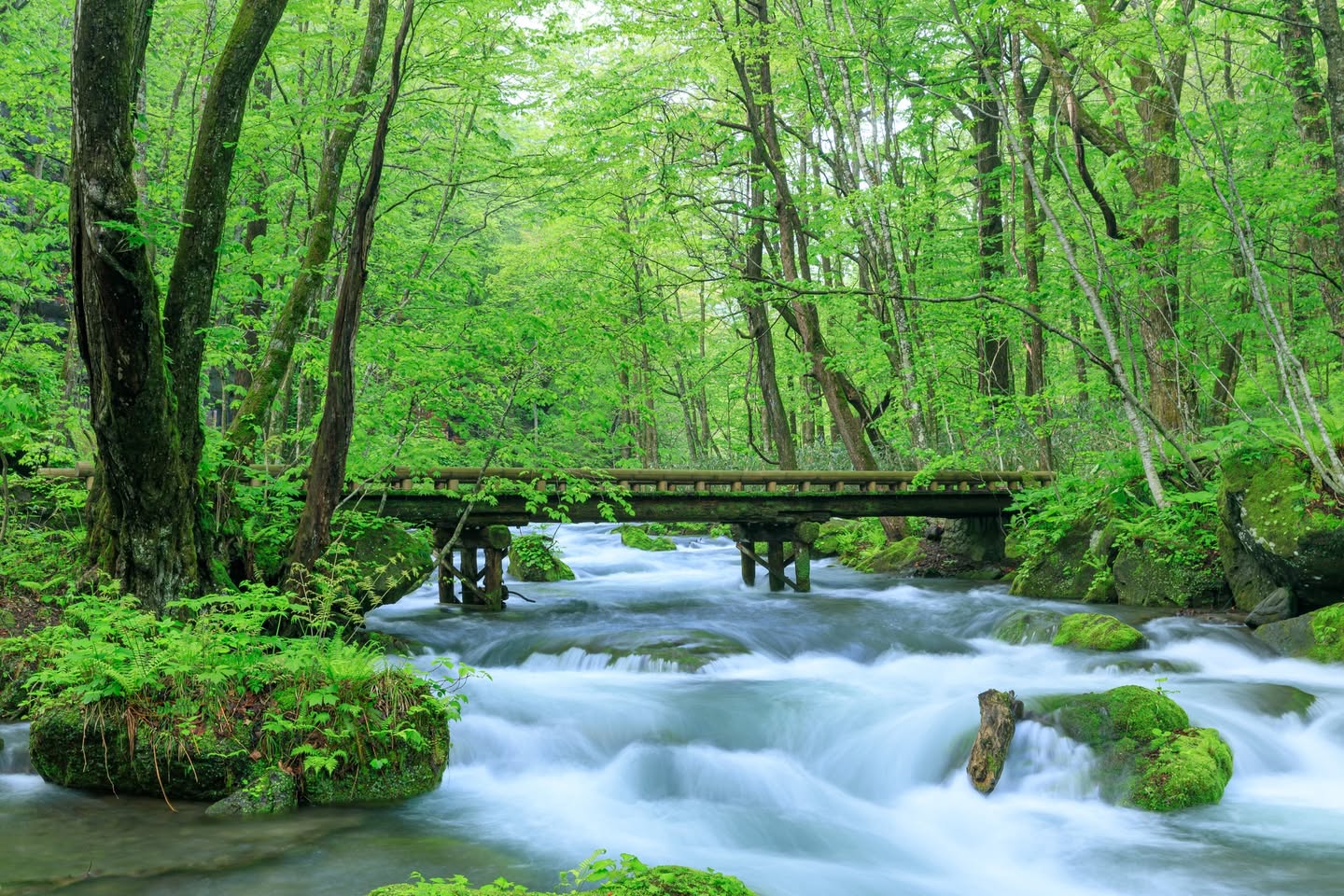
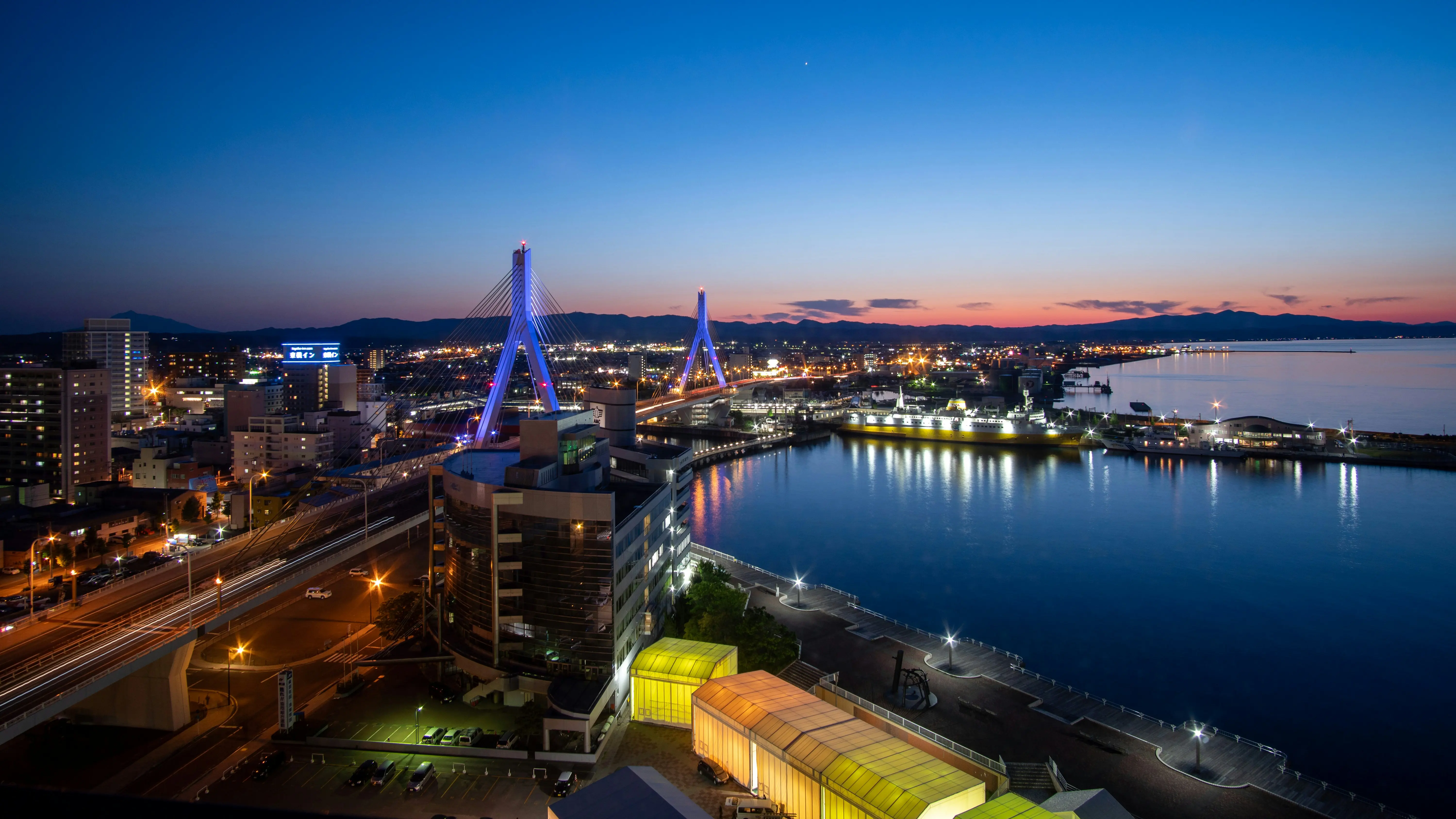
Located at the northern tip of Honshu, Aomori Prefecture is shaped by powerful natural contrasts. The region is known for Lake Towada and the forested Oirase Gorge, where clear streams and waterfalls define the landscape. Aomori City hosts the Nebuta Festival each summer, featuring large illuminated floats that have become a symbol of the prefecture. Surrounded by coastline on three sides and connected to Tokyo by the Tohoku Shinkansen, Aomori offers broad scenery and a strong seasonal identity.

Hokkaido shinkansen
©Andy Leung, pixabay
Nagano – A Mountain Escape in the Heart of Japan
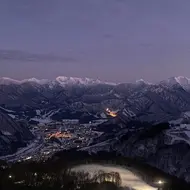
Nagano Prefecture is defined by high mountain ranges, including sections of the Japanese Alps, as well as forests and river valleys. Zenko-ji Temple in Nagano City remains one of the region’s most significant historical landmarks. The prefecture also hosted the 1998 Winter Olympic Games, reinforcing its connection to alpine terrain. Easily reached by the Hokuriku Shinkansen, Naga

@GGONZENBACH
