


Nikko 4 days
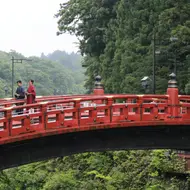
Tobu railways
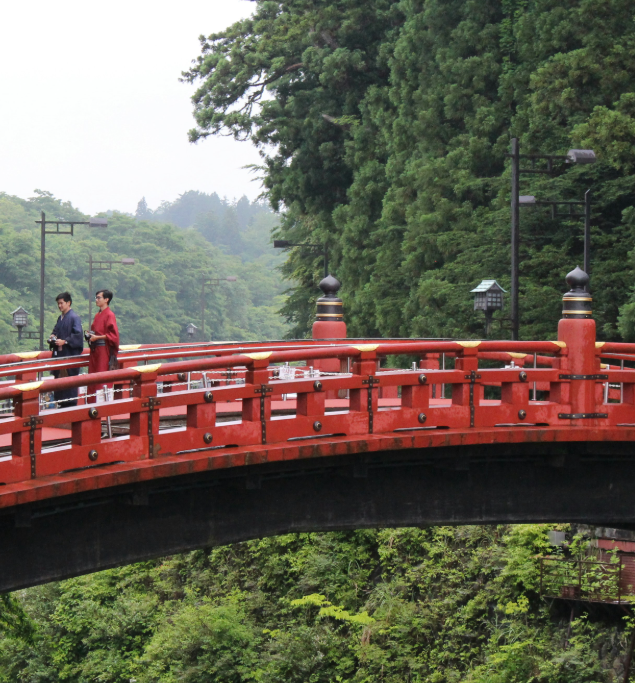
deepavali Gaind, Unsplash
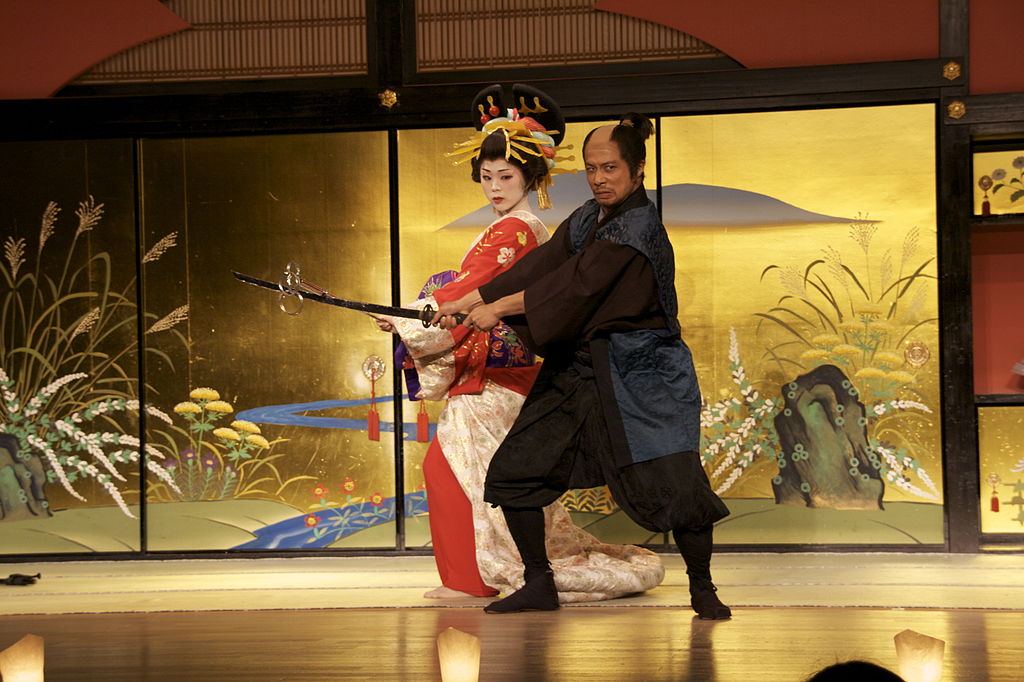
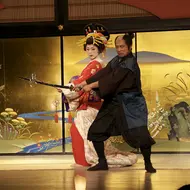
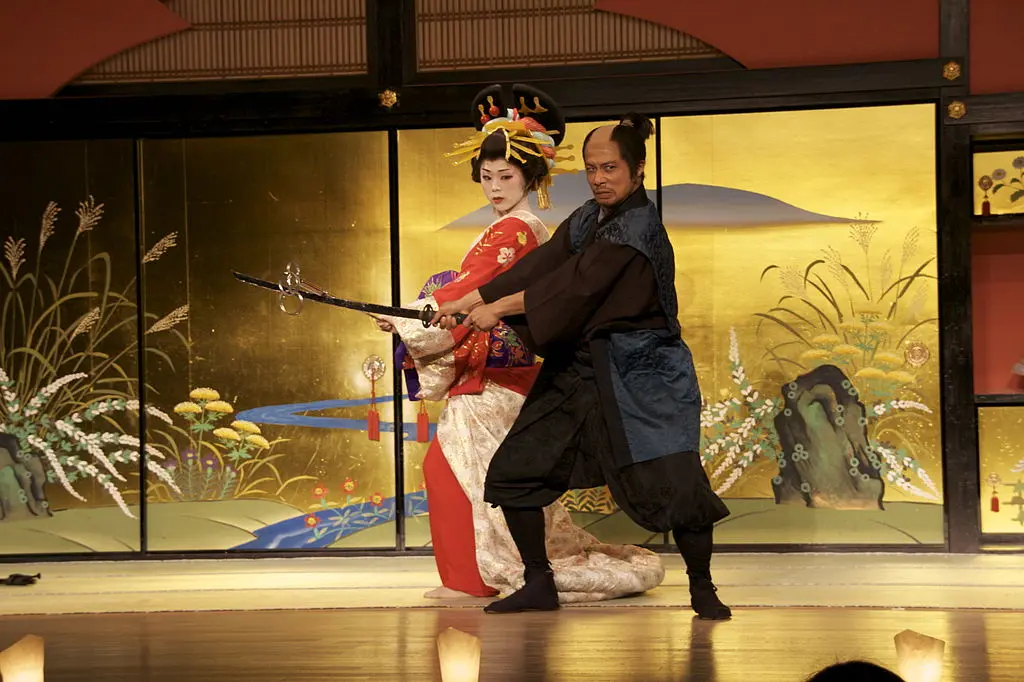
Performance at Nikko Edo Wonderland
@Wikimedia
Nikko - Kinugawa Onsen
@Japan Experience
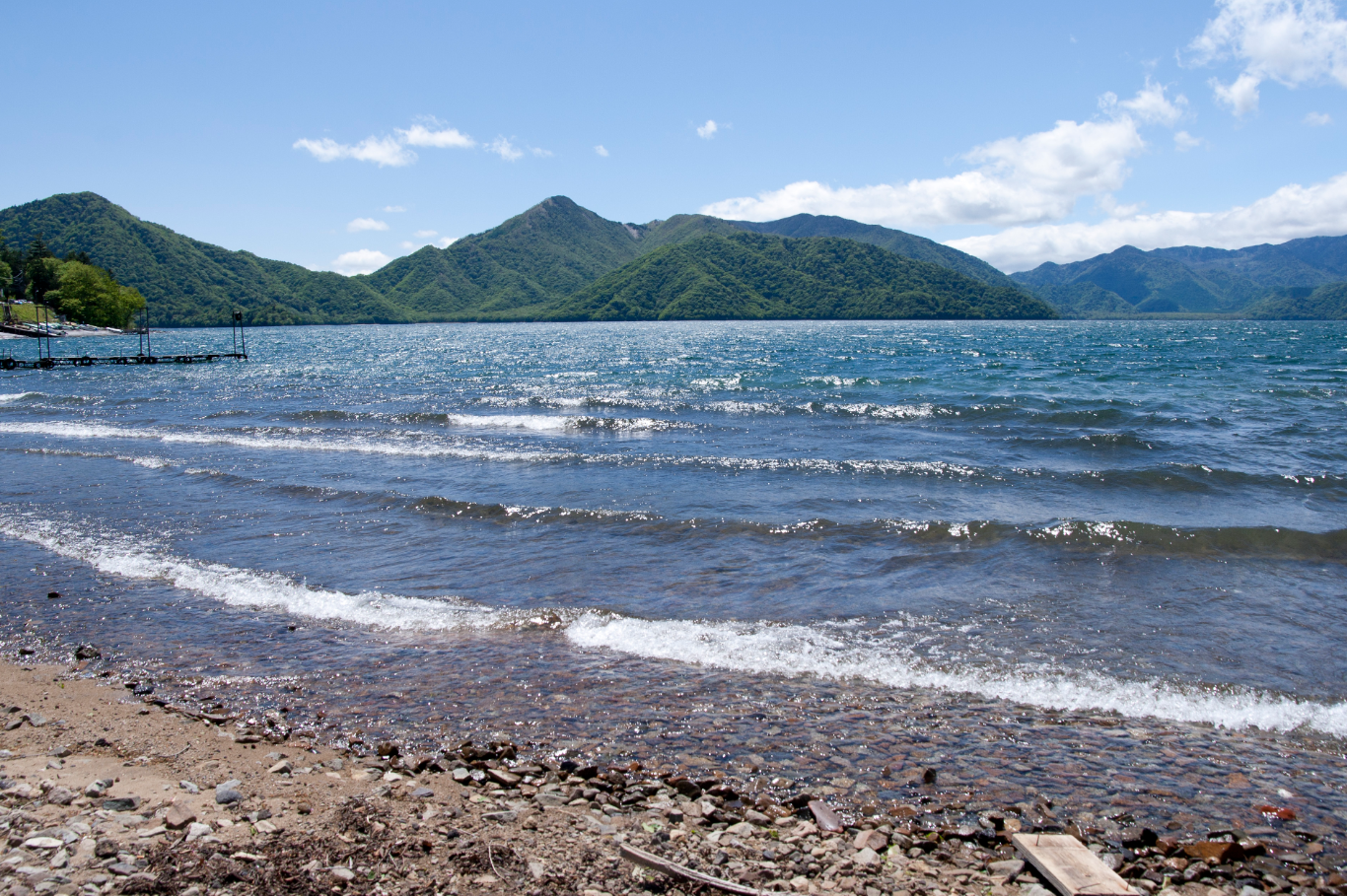
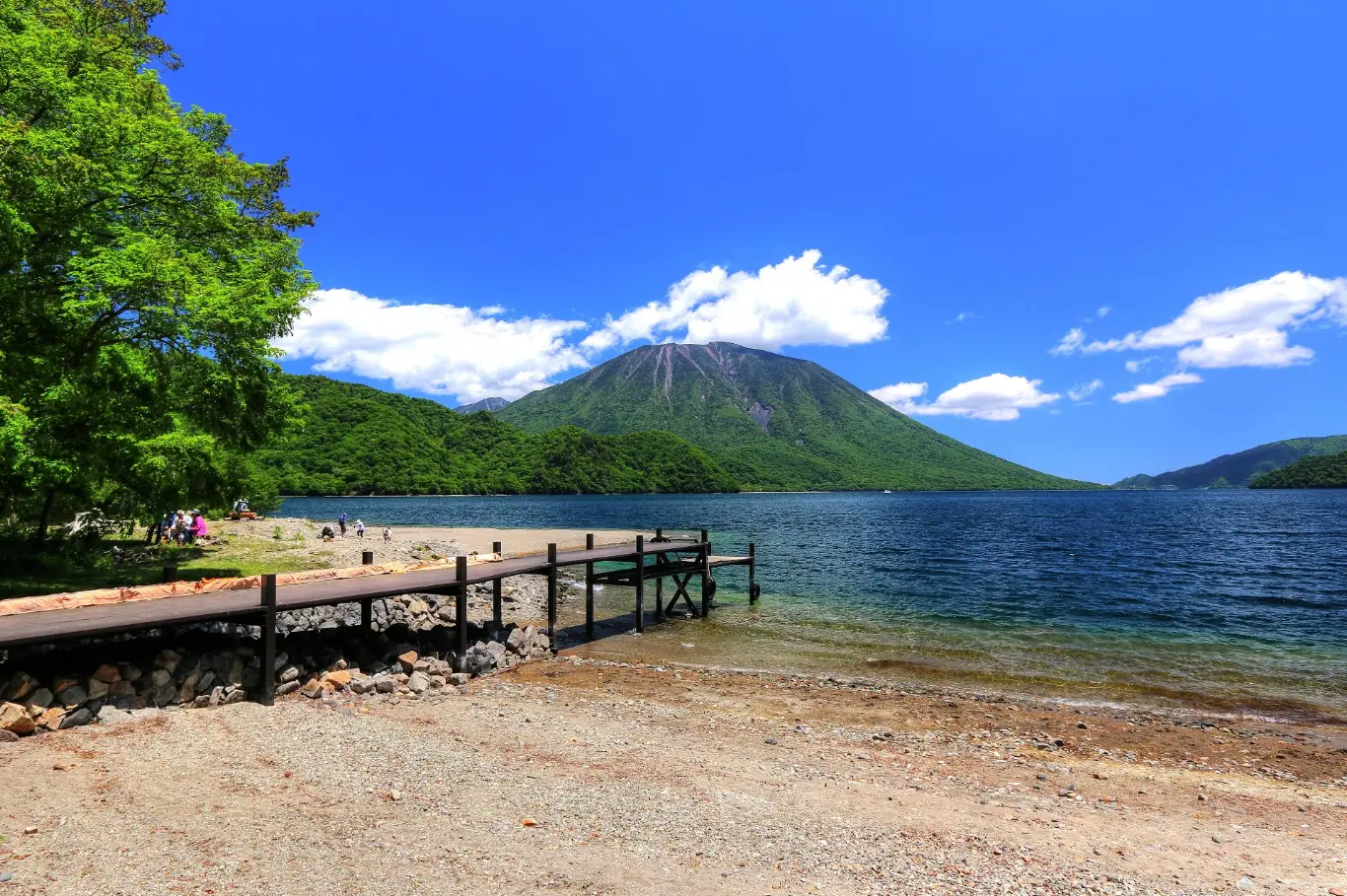
Lake Chuzenji, Nikko
© Σ64, wikimedias
Nikko All Area Pass 4 Days
Connecting Tokyo to the historic and natural sights of Nikko, this pass provides convenient access to one of the most popular excursion areas north of the capital.
From the shrines and temples of Nikkō Tōshō-gū to the natural landscapes around Lake Chuzenji and the Kinugawa area, travel across the region using Tobu Railway lines and local bus services included in the pass.
Valid for 4 consecutive days, it allows you to explore the Nikko area at your own pace while covering both transportation from Tokyo and unlimited travel within the region.
Why choose this pass?
Connecting Tokyo to the Nikko region, this pass offers a simple and structured way to visit one of the most accessible cultural destinations north of the capital.
With this pass, you benefit from:
- One single pass covering both the round-trip between Tokyo (Asakusa) and the Nikko area
- Unlimited travel on Tobu Railway lines within the valid zone
- Access to local Tobu bus services, making it easier to reach sites such as Nikkō Tōshō-gū and Lake Chuzenji
- The ability to organize your trip without purchasing multiple tickets
- A practical option for exploring the area over several consecutive days using a single transport solution
What is included in your Nikko all area pass ?



What is not included in your Nikko all area pass ?

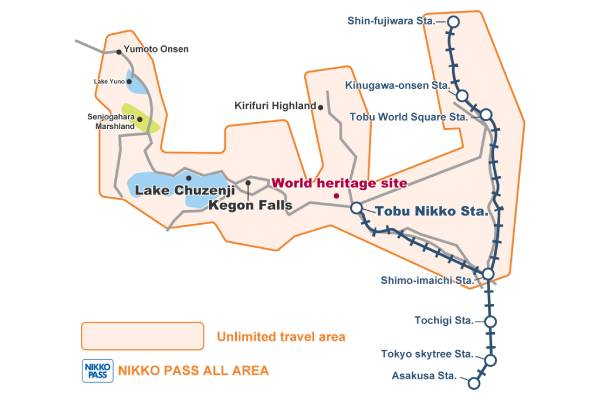
Coverage area for the Nikko all area pass :

Nikko 4 days
Tobu railways
Why choose Japan Experience?




Where can I go with the Nikko all area pass ?

How to use your Nikko All Area Pass

Who can use the Nikko all area pass ?

How do I modify or cancel my Nikko all area Pass ?
Top 5 experiences to enjoy with the Nikko All Area Pass
Flickr xiquinhosilva
© くろふね, wikimedias
Sara Winter
@Japan Experience
@Wikimedia
A deeper look into Nikko’s history
Located in the mountains north of Tokyo, Nikko has been a place of spiritual importance for over a thousand years. Its origins date back to the 8th century, when the Buddhist monk Shōdō Shōnin established the first temples in the area, introducing a form of worship that blends Buddhism and Shinto traditions.
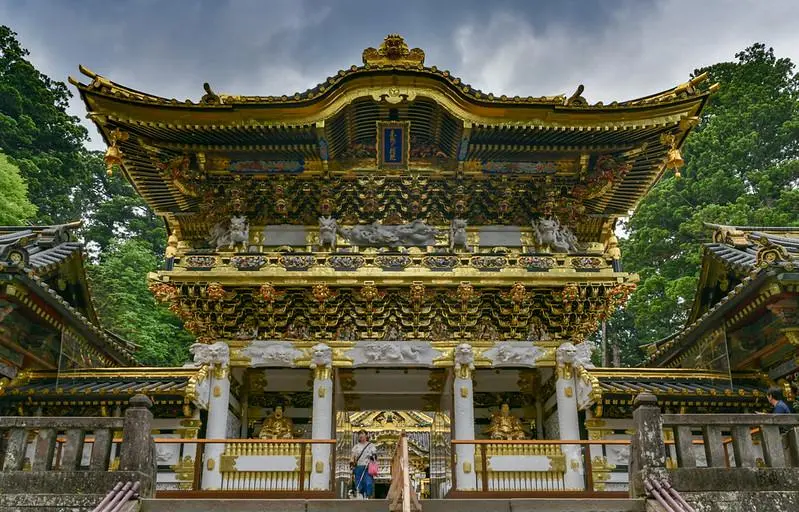
Nikko rose to national prominence in the early 17th century with the construction of Nikkō Tōshō-gū, the mausoleum of Tokugawa Ieyasu, founder of the Tokugawa shogunate. Unlike more austere religious buildings, this shrine is known for its rich decorations, gold leaf details, and intricate wood carvings, reflecting the power and legacy of the Tokugawa era.
During the Edo period, Nikko became an important pilgrimage destination, attracting both the ruling elite and common people. The famous saying “Never say ‘kekkō’ (meaning ‘enough’ or ‘beautiful’) until you’ve seen Nikko” reflects the region’s long-standing reputation for beauty and cultural significance.
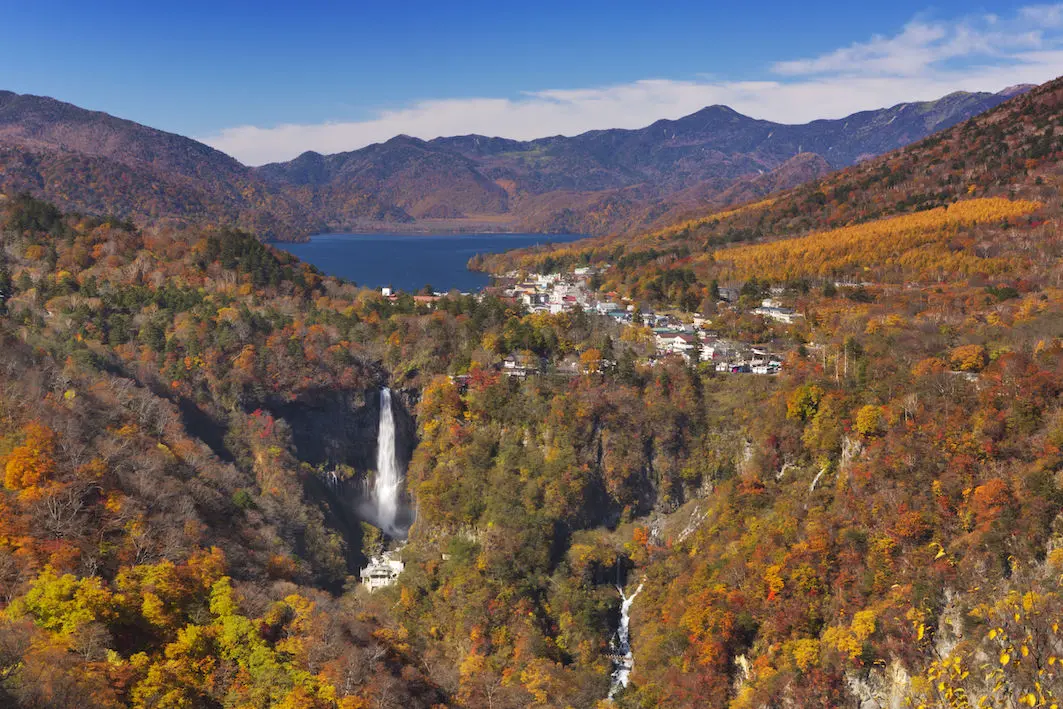
Today, Nikko remains a unique destination where history, religion, and nature coexist. Surrounded by dense forests, mountains, and rivers, the area offers a rare opportunity to experience both Japan’s spiritual heritage and its natural landscapes in one place.

