
How to Visit Onsen in Japan When You Have Tattoos
- Published on : 10/07/2026
- by : Clément
- Youtube

Rotenburo Outdoor Bath
@Wikimedia Commons
Onsen (natural hot springs) are a must-try experience in Japan and are very popular among locals. However, access to these hot springs is often restricted for people with tattoos. If that’s the case for you, you can count on Japan Experience to give you its top recommendations!
What is an onsen?
Onsen are natural hot springs heated by the Earth’s volcanic activity. Rich in minerals, their waters are believed to have beneficial effects on the skin, muscles, blood circulation, rheumatism, and more.
True institutions across the archipelago, onsen have played an important role in Japanese culture for centuries. They are valued as much for their therapeutic benefits as for relaxation. Even the Japanese macaques are fond of them!
There are various ways to enjoy an onsen: at a ryokan (traditional inn), at a hotel (which is rather rare), or at a public bathhouse.
These places offer all kinds of baths: hot, cold, scented, open-air rotenburo, and more.

Onsen: Relaxing Hot Springs in Japan
123RF _ Keisuke Kai
Why are tattoos prohibited in onsen?
Historically, tattoos have been associated with the yakuza, the Japanese underworld. Banning tattoos is therefore an indirect way to prevent criminals from entering, thereby ensuring a peaceful and relaxing experience for all visitors.
This rule applies to everyone, even foreign visitors who obviously have no ties to organized crime.
However, this perception is changing over time, and more and more establishments are becoming more accepting of people with tattoos. Some grant them unrestricted access, while others ask their customers to cover their tattoos with a patch whenever possible.

Men with tattoos at the Sanja Matsuri in Tokyo
@Ari Helminen on Flickr, CC BY 2.0
Discover Japan with Japan Experience tours!
How can you enjoy an onsen if you have tattoos?
If you have tattoos, it will be difficult (but not impossible!) to enjoy Japanese hot springs.
If you plan to stay at a ryokan, you might want to choose one that offers private baths. As the name suggests, these are onsen that only you have access to. They may be located right in your room or in a separate room that can be reserved for a certain period of time.
If you prefer a more accessible option, we recommend visiting a sento.
These city public baths offer an experience similar to that of onsen, with the exception that they are supplied by artificially heated water —they do not come from a natural volcanic spring.
These establishments, which are often quite small, generally allow tattoos. However, there is no hard-and-fast rule: it’s best to ask at the front desk upon arrival to make sure your tattoos aren’t a problem.
Sento are also less expensive: expect to pay between 400 and 600 yen per person, depending on the city. Some require you to purchase soap at the front desk, which costs about 100 yen.

A sento
@JNTO
Our Recommendations!
However, if you want to enjoy an authentic experience, here are Japan Experience’s recommendations for enjoying an onsen without worrying about being turned away:
In and around Tokyo:
- Togoshi Ginza Onsen and Hasunuma Onsen: If you're looking for a convenient and accessible option without having to leave Tokyo.
- Tenzan Onsen in Hakone for an immersion in a more traditional setting (provided there is no more than one person with a tattoo per group).
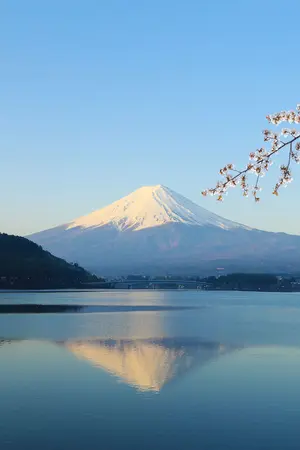
For a hot spring excursion with a view of Mount Fuji:
- Hottarakashi Onsen in Yamanashi
- Inamuragasaki Onsen in Kamakura
- Konohanoyuin Gotemba
- Yamato no Yu, in Narita (on a clear day!)
If you have small tattoos that can be easily covered with patches:
- Heiwajima Onsen in Tokyo (maximum of 4 small tattoos)
- Fujiyama Onsen in Kawaguchi-ko (up to 2 small tattoos).

Mount Fuji as seen from Hottakarashi Onsen
@Youkaine on Flickr, CC BY-NC-ND 2.0
In the Kyoto area:
- Ume-yu, Goko-yu and Hakusan Yu Rokujo for neighborhood sento powered by natural hot springs.
- Kin no Yu, located in the Arima hot spring resort, is a facility offering a wide variety of baths.
- Sawaya Honten and Kurama Onsen for ryokans that can be visited for the day or for an overnight stay.
- Hanaïkada and Fudo Onsen for a premium experience, with packages that include meals and onsen access.

Arima Onsen in Kobe
@Wikimedia Commons
Visiting Kyoto? Check out Japan Experience's activities!
In other regions:
- Hyotan Onsen in Beppu, a must-see in Japan’s most famous hot spring town!
- Dogo Onsen in Matsuyama, known for inspiring Hayao Miyazaki for *Spirited Away*.
- Hoheikyo Onsen in Sapporo.
- Wanoshiro Onsen Yashio-no-yu in Nikko, ideal after a visit to the UNESCO World Heritage Site.
- Otaki no Yu in Kusatsu Onsen, one of Japan’s “Three Great Hot Springs,” along with Gero Onsen and Arima Onsen.
- Kinosaki Onsen, where all 7 public bathhouses welcome visitors with tattoos without any restrictions! (Private accommodations may, however, have different rules.)
Onsen Etiquette and Proper Behavior
To ensure a peaceful and relaxing experience for everyone, it’s important to behave appropriately so you can enjoy this unique experience while respecting local customs. Here are the key points:
Being Naked: Onsen require you to be completely naked. Swimsuits are prohibited, but a small towel is allowed, provided it does not come into contact with the water.
Wash thoroughly before entering the baths: Entering the water shared by everyone without having washed properly would make a very bad impression. Washrooms with showers are provided for this purpose. Soap and shampoo are usually provided. However, everyone is free to bring and use their own products.
Maintain a calm demeanor: As a place of relaxation, everyone is expected to be respectful of other bathhouse users. Loud conversations and sudden movements in the baths should be avoided. It is also advisable to tie back long hair and avoid getting it wet.
Want more news on Japan and Japan travel? Be sure to subscribe to our newsletter and follow us on Instagram!
Create the trip of your dreams with our experts!
Whether guided or independent, our itineraries adapt to your travel style. Let our agency and local experts handle the logistics of your trip to Japan for an unforgettable and stress-free experience.
Latest Articles


All the themes of the city


