
The Kyoto Imperial Palace
- Published on : 15/07/2026
- by : Clément
- Youtube

Kyoto Gosho
@Dmitry Romanof on Unsplash
The Kyoto Imperial Palace (Kyoto Gosho in Japanese) served as the official residence of the Imperial Family for more than five centuries, until the capital was moved to Tokyo following the Meiji Restoration in 1868. Although Kyoto became Japan's imperial capital in 794, the emperors did not settle on the present-day palace site until the 14th century. Rebuilt several times after devastating fires, the palace visitors see today dates from the 19th century. Located in the heart of Kyoto Gyoen National Garden, the palace now welcomes visitors eager to discover its elegant gardens and its late Edo-period architecture. Discover this historic landmark with Japan Experience.
The Gosho Palace
The Kyoto Gosho offers visitors a glimpse into the daily life of the Japanese Imperial Family before the imperial court was relocated to Tokyo.
Visitors can stroll through the palace's gravel courtyards and landscaped gardens. Alongside centuries-old pine trees, the cherry blossoms and Japanese maples transform the scenery with the changing seasons.
The palace buildings are topped with traditional cypress bark roofs (hiwadabuki), a distinctive feature of Edo-period architecture.

Kyoto Gosho
@Gavin Li on Unsplash
Among the palace's principal buildings, the Shishinden is the most important. This grand ceremonial hall was used for imperial enthronements and major official ceremonies.
The Kogosho, which combines several architectural styles, was used for official audiences and important meetings of the imperial court.
More intimate in scale, the Seiryōden originally served as the Emperor's residence before later being dedicated to certain court ceremonies, while the Ogakumonjo functioned as the Emperor's study and workspace.

Kogosho
@Wikimedia Commons
Discover Kyoto with Japan Experience !

The Sentō Imperial Palace
Also located within Kyoto Gyoen National Garden, just a short walk from the Kyoto Gosho, the Sentō Imperial Palace (Sentō Gosho) served as the residence of retired emperors following their abdication.
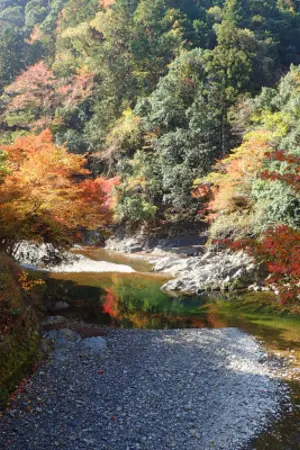
Although the palace buildings are no longer original, the site is best known for its gardens, which are particularly popular during autumn when the momiji (Japanese maple leaves) turn vibrant shades of red and gold.
Considered one of the masterpieces of Edo-period landscape design, the gardens are arranged around a large pond dotted with small islands and crossed by elegant wooden and stone bridges.
More intimate and less crowded than the neighboring Kyoto Gosho, the Sentō Imperial Palace is an ideal destination for visitors seeking tranquility and the beauty of traditional Japanese gardens.

Sento Gosho in autumn
@np&djjewell on Flickr, CC BY 2.0
Visiting the Imperial Palace
Located in the heart of Kyoto and close to many of the city's major attractions, the Kyoto Imperial Palace is easily accessible by public transportation.
Admission to the Kyoto Gosho is free of charge, and visitors are welcome to explore the grounds independently every day from 9:00 a.m. to 4:20 p.m. (closed on Mondays). Free guided tours are also available without prior reservation—simply arrive at the main entrance a few minutes before the scheduled departure time (10:00 a.m. and 2:00 p.m. for tours conducted in English).
The Sentō Imperial Palace, on the other hand, can only be visited as part of a free guided tour, which requires advance reservation.
Free audio guides are available in several languages. Alternatively, visitors can access the official audio guide directly through the palace's official mobile app.
Want more news on Japan and Japan travel? Be sure to subscribe to our newsletter and follow us on Instagram!
Create the trip of your dreams with our experts!
Whether guided or independent, our itineraries adapt to your travel style. Let our agency and local experts handle the logistics of your trip to Japan for an unforgettable and stress-free experience.


