
The UNESCO Intangible Cultural Heritage Elements of Japan
- Published on : 28/04/2026
- by : Clément
- Youtube

Kabuki masks
@Justin Ziadeh on unsplash
Japan boasts no fewer than 26 UNESCO World Heritage sites. In addition, 23 cultural practices are listed as intangible heritage. Discover them with Japan Experience.
Yama, Hoko and Yatai float festivals
The matsuri are Japan's traditional festivals, celebrated throughout the year. Every town, and sometimes even every district, has its own matsuri. The traditional float festivals inscribed on UNESCO's World Heritage List in 2016 are those featuring yama, hoko and yatai structures, each with its own characteristics: yama are very tall, tower-shaped floats; hoko end in a thin, high point; and yatai mimic rolling buildings. Each type of chariot has its own elements, depending on the region, so there's great variety in the colors, materials and techniques used.
These festivals are linked to shrines to invoke the protection of deities or ward off disaster. The floats are pulled along a course through the city, accompanied by the crowds in a festive atmosphere. At the end of the day, they reach the sanctuary, where a religious ceremony is held. They are then stored in a dedicated building, where they are displayed for the rest of the year.
For a few days, local residents can take part in the festivities, for example, by helping to build, maintain and parade the floats, thus perpetuating traditions handed down from generation to generation.

Char Yama at the Inuyama Matsuri
@Wikimedia Commons
Noh, Bunraku, Kabuki and Kagura theaters
Japan is home to a number of traditional theatrical forms inscribed on UNESCO's intangible cultural heritage list.
Noh theater is one of the oldest forms of Japanese theater, developed as early as the 14th century. It is characterized by very slow, codified movements and the use of masks, which have become one of the symbols of Japanese culture in the West. Stories are often drawn from classical literature or folklore, accompanied by music and song.
Kabuki, on the other hand, is distinguished by its more accessible style, even for foreign audiences. First introduced in the 17th century, it is a popular form of theater that combines dance, music and dynamic staging. It too uses elaborate costumes, expressive make-up and colorful masks.

Kabuki costume
@ Susann Schuster on Unsplash
Bunraku is a puppet theater in which each doll is manipulated by three puppeteers. The performance of these puppeteers is remarkable, requiring skill and coordination to bring these wooden characters to life.
The story is told by a single narrator, accompanied by a shamisen, who gives voice to all the characters. The plays often deal with tragic love stories with great emotional intensity.
Regular performances are given at the National Bunraku Theater of Osaka.

Bunraku puppet
@ Leander Kirstein-Heine on Flickr, CC BY-NC-SA 2.0
Finally, Kagura is a type of sacred theater, which includes dances and performances related to shinto rituals. Presented in shrines or at festivals, the plays stage mythological stories linked to Japanese deities. Anchored in a religious dimension, kagura retains a ritual function while remaining accessible to spectators.
Discover traditional Japanese theater with Japan Experience!


Traditional dance and music: Furyu-odori, Dainichido Bugaku, Ainoue dance, Kumiodori and Gagaku
In addition to theater, several forms of Japanese dance and performing arts are listed by UNESCO. The term "Furyû-odori" covers a range of festive dances performed at matsuri throughout Japan. They are characterized by colorful costumes and dynamic rhythms. Practiced today in a festive context, their origins lie in prayers for protection or good harvests.
Dances specific to certain regions can be found throughout Japan. Dainichido Bugaku, for example, is an ancient form of ritual dance handed down in the region of Akita. It combines music and codified choreography and is distinguished by its solemn character.
UNESCO also gives visibility to indigenous cultures. On the island of Hokkaido, for example, the traditional dances of the Ainu have been inscribed on the World Heritage List since 2009. Accompanied by song, these dances bear witness to a close link with nature and the spirits, typical of the animist beliefs of this indigenous people from the north of the country. As elsewhere in Japan, these dances are often integrated into rituals or community celebrations.
At the other end of the archipelago, on the Okinawa Islands, Kumiodori is a dance based on the culture of the ancient Ryukyu kingdom. It combines music, song and dance inspired by local legends. For a long time, performances were given to entertain visiting Chinese diplomats.

Kumi-odori
@Wikimedia Commons
Finally, Gagaku, although often accompanied by Bugaku dances, focuses on ancient music. This is a legacy of imperial court music, introduced from the Asian continent over a thousand years ago. It is one of the oldest musical forms still practiced in Japan, characterized by its slow rhythm, its specific instruments such as the shonobue (a kind of elongated wooden harmonica) and its ceremonial setting. This is the kind of music visitors can hear when they visit shrines.
Rice-growing rituals: Mibu no Hana Taue, Akiu no Taue and Oku-noto no Aenokoto
Given its central place in the Japanese diet, several rituals linked to rice cultivation are listed as intangible cultural heritage by UNESCO. Mibu no Hana Taue is practiced in the prefecture of Hiroshima. In a festive and ceremonial setting, songs and dances in traditional costumes accompany the transplanting of rice.
The same type of ritual is observed in the Sendai region, known as the Akiu no Taue Odori.
In the Noto Peninsula, the Oku-noto no Aenokoto ritual consists of symbolically welcoming the deity of the rice paddies into the farmers' homes, offering him a meal and lodging, in order to guarantee the prosperity of the crops.


Washoku
Listed as a UNESCO intangible cultural heritage site since 2013, traditional Japanese cuisine, known as washoku, is based on the principle of ichijû-sansai (one soup, three courses), which aims to offer varied and harmonious meals, highlighting fresh produce.
Aesthetics also play an essential role, both in presentation and in the choice of tableware, in keeping with the seasons.
Japanese eat washoku cuisine during festive periods such as the New Year with special dishes called "osechi ryōri." It can also be enjoyed in kaiseki (Japanese gourmet restaurants) or traditional ryokan inns.

Washoku
@jirayu koontholjind on Unsplash

Washoku
@beve4 on Flickr, CC BY-NC-SA 2.0

Washoku
@nikunoki on Flickr, CC BY-NC-SA 2.0

Washoku
@nikunoki on Flickr, CC BY-NC-SA 2.0
Discover our Japanese cuisine tour!

Religious ceremonies: Nachi no Dengaku, Daimokutate, Raiho-shin and Sada Shin Nô
The Nachi no Dengaku is a ceremony that takes place at the Nachi Shrine, one of three Kumano shrines listed as UNESCO World Heritage sites. It consists of ritual dances performed to purify the area and pray for prosperity in the heart of this region of remarkable spiritual importance in the prefecture of Wakayama.
The Daimokutate is a vestige of the coming-of-age ceremony for young samurai. In the Yahashira shrine in Nara, young participants recite texts from medieval epics, dressed in warrior outfits. The recitation takes place in a solemn atmosphere, without musical accompaniment.

Kumano Nachi Shrine
@Susann Schuster on Unsplash
Raihô-shin (literally "visit of the gods") are a set of rituals in which deities, embodied by costumed and masked actors, visit inhabitants to bring blessings, protection and prosperity. These practices have evolved in different ways in different regions and are now highly diversified.
The best known in the West is undoubtedly Namahage, a sort of Japanese bogeyman who terrorizes children.
In the Sada shrine in Shimane Prefecture, the Sada Shin Nô is a form of ritual theater similar to the Nô theater. It combines dance, music, and offerings and aims to purify sacred objects and honor local deities. The stories told are based on regional legends.

Namahage
@oyajimbo on Flickr, CC BY-NC-SA 2.0
Traditional crafts: washi making, wooden architecture and koji sake making
A number of Japanese crafts are listed as intangible cultural heritage by UNESCO, highlighting techniques handed down from generation to generation and still practiced today.
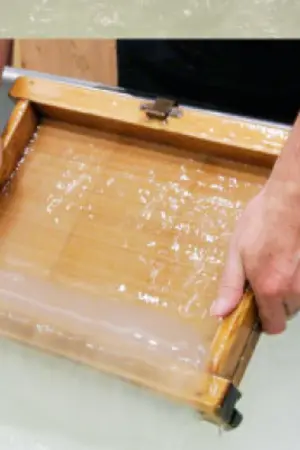
The manufacture of washi, traditional Japanese paper, is a craft based on the use of plant fibers such as mulberry. Handmade using ancient methods, this paper is distinguished by its strength, flexibility and texture.
It is used for writing (especially Japanese calligraphy) as well as for everyday objects and architectural elements, such as shôji paper doors.

Japanese calligraphy
@Niketh Vellanki on Unsplash
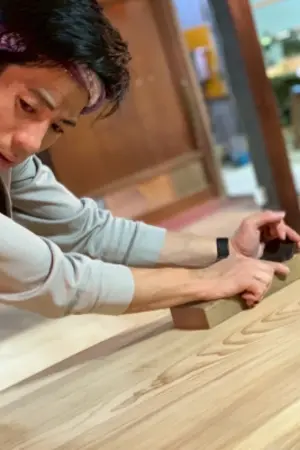
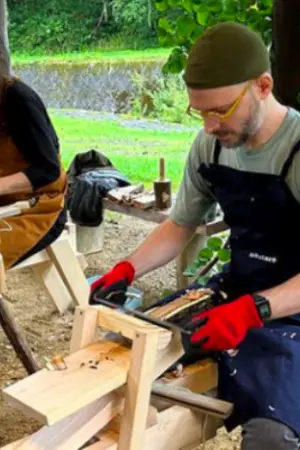
The conservation and transmission of know-how linked to wooden architecture consists of a set of traditional knowledge and techniques used to build or maintain structures with an ancient architecture. These include temples, shrines, castles and traditional dwellings. With the modernization of architecture, the transmission of this knowledge between master craftsmen and apprentices is gradually disappearing, which explains the efforts being made to preserve it.
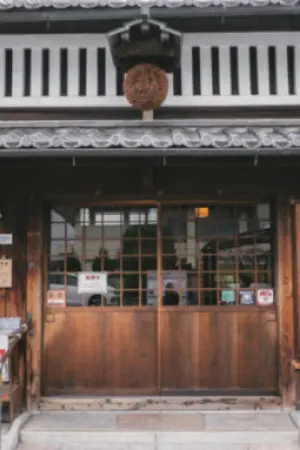
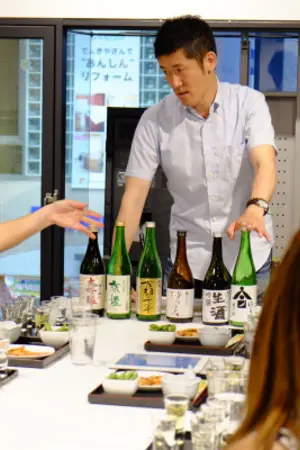
Sake-making with kôji is based on a mastered fermentation process, using a specific fungus to transform rice starch into sugar. This know-how makes it possible to produce a wide variety of sake, an indispensable beverage for festivals, weddings, rites of passage and other cultural events.
Discover Japanese crafts with Japan Experience!

Textile manufacturing: Yuki-tsumugi silk production techniques and ramie fabric manufacturing (Ojiya-chijimi, Echigo-jofu)
Yuki-tsumugi is a silk weaving technique that originated in the towns of Yuki and Oyama, in the prefectures of Tochigi and Ibaraki. It is distinguished by the use of threads woven on traditional looms. The long, painstaking process produces a textile that is light, resistant and appreciated for its texture. This noble material is notably used to make kimonos.
In the Uonuma region (Niigata prefecture), two types of ramie cloth are known as Ojiya-chijimi and Echigo-jôfu. These textiles, woven from plant fibers, are particularly well-suited to Japan's warm climates thanks to their lightness. Their production involves several artisanal stages, including hand-weaving and traditional snow-bleaching, characteristic of the region.
Want more news on Japan and Japan travel? Be sure to subscribe to our newsletter and follow us on Instagram!
Create the trip of your dreams with our experts!
Whether guided or independent, our itineraries adapt to your travel style. Let our agency and local experts handle the logistics of your trip to Japan for an unforgettable and stress-free experience.
Latest Articles


Discover our themes


